
Top Places in Boulder That Experience the Strongest Winds
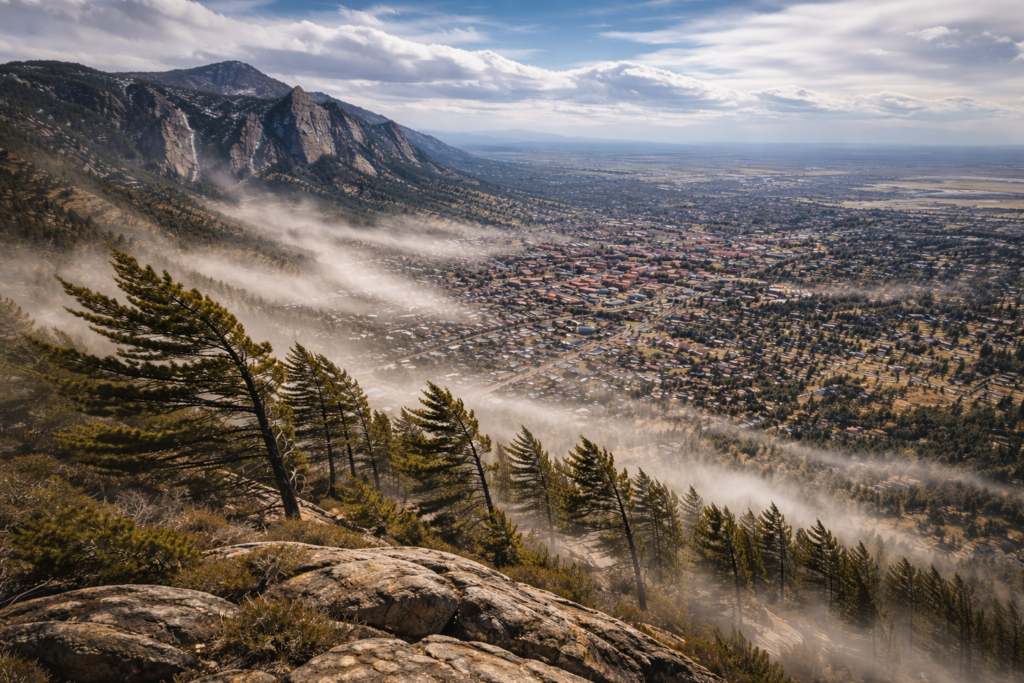
When major wind events hit Boulder, certain locations are known to feel the brunt of it. These areas don’t just feel windy once in a while — they are repeatedly impacted during high-wind patterns because of elevation, exposure, and their position relative to the foothills.
While wind conditions vary from event to event, the following places are widely recognized for experiencing stronger and more persistent winds compared to much of the city.
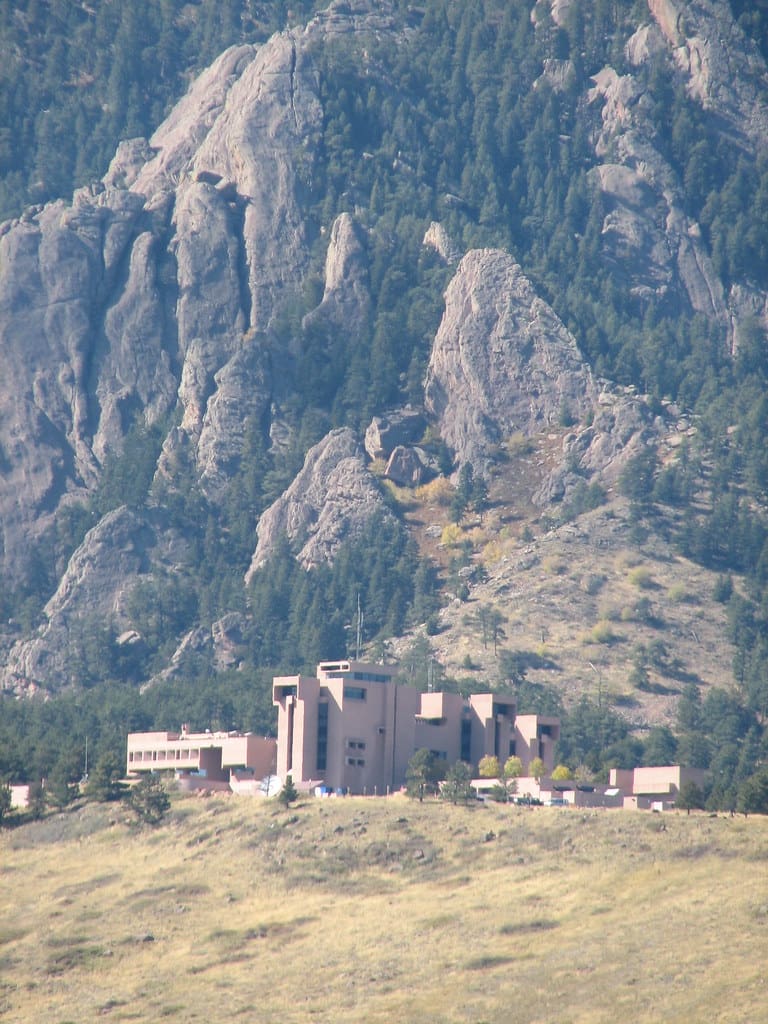
NCAR Mesa Laboratory and the South Boulder Foothills
The area around the NCAR Mesa Laboratory is one of the most wind-exposed locations in Boulder.
Sitting high above the city along the foothills, this area is directly in the path of downslope winds moving off the mountains. The elevation and open terrain leave little to slow airflow, making winds here noticeably stronger than in central Boulder during many events.
Flagstaff Mountain and Adjacent Ridgelines
Flagstaff Mountain is another well-known wind hotspot. The combination of elevation, exposed ridgelines, and limited tree cover allows wind to move freely across the terrain.
During high-wind patterns, gusts here can feel sustained and forceful, often well before conditions intensify lower in the city. This makes Flagstaff a clear example of how elevation amplifies wind in Boulder.
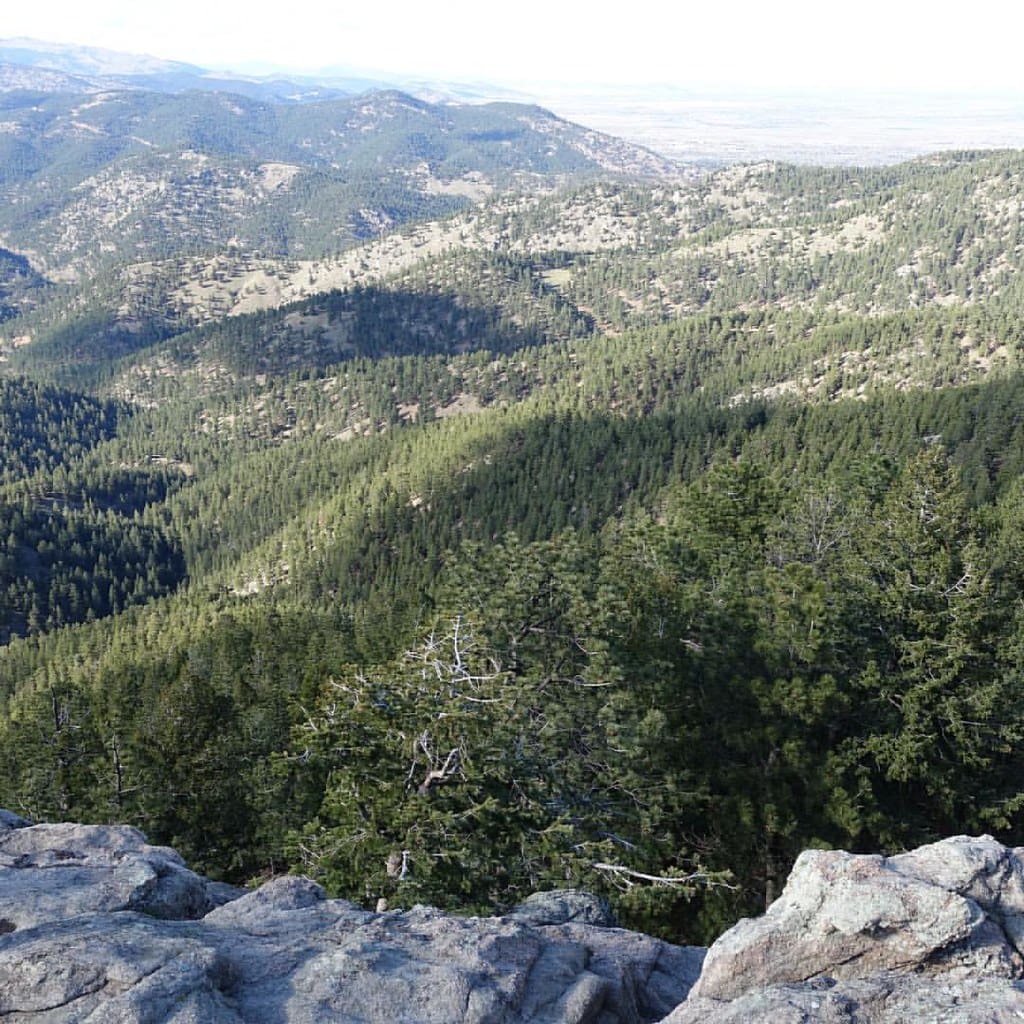
Lost Gulch Overlook, Flagstaff Mountain
Sunshine Canyon and Canyon Mouth Areas
Sunshine Canyon and similar canyon mouths are classic examples of wind funneling.
As air moves downslope through narrow canyon openings, it can accelerate rapidly as it exits into lower elevations. Nearby areas often experience sudden, powerful gusts that feel stronger than surrounding neighborhoods only a short distance away.
Lee Hill and North Boulder Foothills
Lee Hill and the surrounding North Boulder foothills are frequently impacted during wind events.
These areas sit along elevated terrain where wind accelerates as it moves eastward off the mountains. With fewer natural barriers and broad exposure, gusts here are often stronger and more persistent than in more sheltered parts of town.
Open Space Areas Along the Foothills
Open space corridors along Boulder’s western edge — particularly those with wide, unobstructed slopes — regularly experience stronger winds.
Without buildings or dense tree cover to break up airflow, wind can sweep across these areas with little resistance, creating conditions that feel more intense and sustained.
Eastern Boulder and Open Plains Near City Limits
As Boulder transitions into flatter terrain on the eastern edge of the city, wind often picks up again.
These areas lack the terrain features that slow wind elsewhere, allowing gusts to maintain speed and direction. While the wind here may feel less turbulent than near canyon mouths, it can be more continuous and noticeable over longer periods.
Why These Locations Feel Windier Than Others
The common thread across these locations is exposure. Elevation, proximity to the foothills, canyon geometry, and open terrain all contribute to stronger wind behavior.
As air moves from the mountains toward the plains, it accelerates, funnels, and spreads out depending on the landscape. This is why some areas feel extreme gusts while others remain relatively calm during the same event.
What This Means for Residents
Residents in these areas often experience the effects of wind earlier and more intensely during major wind patterns. Knowing which parts of Boulder are more exposed can help people better prepare, secure outdoor items, and plan travel during windy periods.
High winds are a familiar part of life in Boulder, but they don’t impact every location equally. These patterns repeat themselves because the landscape doesn’t change.
A Consistent Pattern Shaped by Geography
Boulder’s strongest winds are not random. They follow the contours of the foothills, ridgelines, canyons, and open plains that define the city.
By understanding which areas consistently experience stronger winds, residents gain a clearer picture of how Boulder’s geography shapes everyday life — especially when the wind starts howling.