Boulder Drought Watch 2026: What It Means for Your Yard and When to Water
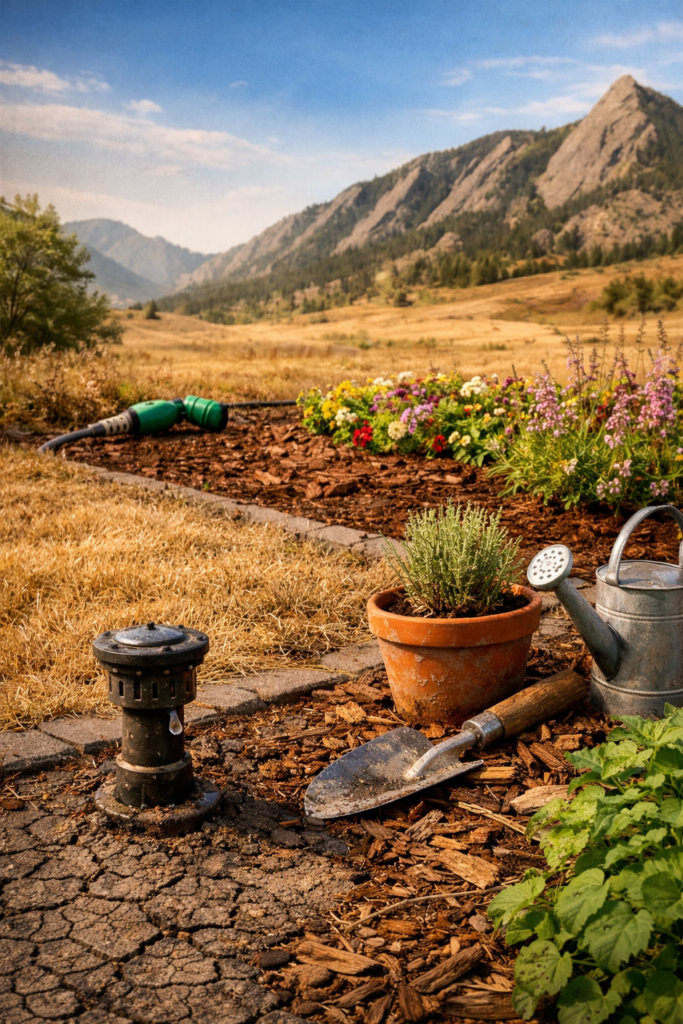
Boulder is starting spring under unusually dry conditions, and as of April 1, 2026, the city has officially entered a Drought Watch.
After one of the lowest snowpack winters in recent years across Colorado, with earlier-than-normal snowmelt and limited runoff expected, local officials are encouraging residents to begin conserving water now. The goal is simple: protect Boulder’s reliable water supply before conditions worsen.
The key takeaway is this: there are no mandatory restrictions yet. This is still the watch stage, meaning voluntary action today could prevent stricter rules tomorrow.
City officials are expected to reassess conditions around May 1, when updated snowpack and runoff data become available.
What the Drought Watch Means Right Now
Boulder’s Drought Watch is a proactive step based on dry regional conditions. Much of Boulder County is currently experiencing moderate to severe drought levels, and dry vegetation has already increased fire risk heading into spring.
While water supply systems remain stable, conservation now is critical.
Here are the current voluntary guidelines residents are encouraged to follow:
- Hold off on turning on automatic sprinkler systems for lawns until May
- Avoid watering non-essential grass, which can safely go dormant
- Follow the seasonal watering rule: no sprinkler use between 10 a.m. and 6 p.m. from May through September
- Prioritize hand-watering for trees, shrubs, and gardens
- Focus on deep, infrequent watering instead of frequent light watering
Public spaces such as athletic fields may continue to be irrigated due to high use, but residential conservation is where the biggest impact can happen.
What Happens to Your Lawn Right Now
If your yard starts to brown this month, don’t panic.
Dormant grass is not dead. It is simply conserving energy and water. In fact, allowing grass to go dormant in early spring is one of the easiest and most effective ways to reduce water use.
Once temperatures stabilize and moisture returns, lawns typically recover quickly.
Letting your lawn rest now is not neglect. It is smart water management.
Simple Yard Actions That Save Water
You don’t need to overhaul your landscape to make a difference. Small, intentional steps can significantly reduce water use.
Here are some of the most effective strategies:
Let grass grow slightly taller
Keeping your lawn at about 3 to 4 inches helps shade the soil and retain moisture naturally.
Add mulch wherever possible
Applying 2 to 4 inches of mulch around plants and trees can reduce evaporation dramatically and improve soil health.
Water deeply and less often
Trees and shrubs benefit from soaking the soil every 7 to 10 days rather than daily surface watering.
Fix leaks immediately
Even a small drip from a hose or sprinkler system can waste hundreds of gallons over time.
Upgrade your irrigation setup
Simple additions like shut-off nozzles, rain sensors, or smart controllers can prevent unnecessary watering.
Outdoor irrigation is the largest source of residential water use in Boulder during warmer months. Reducing it even slightly has a major impact.
Quick Indoor Water-Saving Wins
While outdoor use gets the most attention, indoor habits also contribute to overall conservation.
Here are easy ways to save water inside your home:
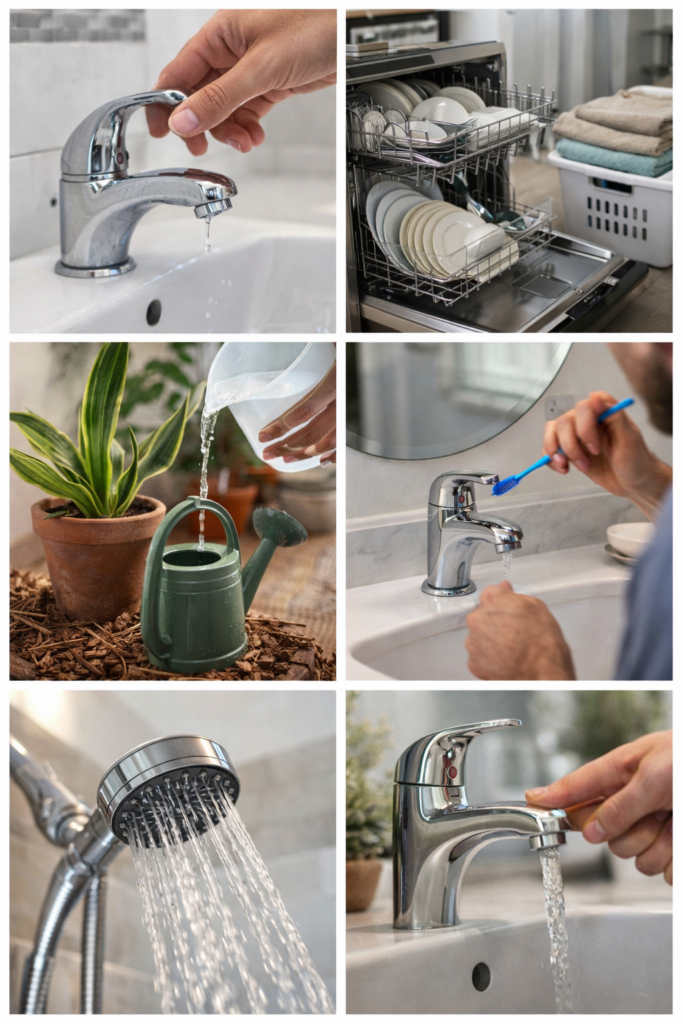
- Fix dripping faucets as soon as you notice them
- Only run dishwashers and laundry when full
- Keep showers short and efficient
- Turn off the tap while brushing teeth or washing hands
- Use low-flow fixtures when possible
- Collect unused water and reuse it for plants
These small daily habits can add up to meaningful savings over time.
Why This Matters for Boulder
Boulder has long been known for its commitment to sustainability and responsible resource use. Taking action during the Drought Watch stage reflects that community mindset.
By reducing water use now, residents help:
- Preserve reservoir levels
- Reduce stress on local water systems
- Lower the risk of mandatory restrictions later
- Support wildfire preparedness during a dry season
It’s a collective effort that benefits the entire community.
What to Watch for Next
The next key update will come around early May, when officials evaluate snowmelt and water supply forecasts.
If dry conditions continue, Boulder could move into formal water restrictions. If conditions improve, voluntary conservation may remain sufficient.
For now, awareness and small changes are the most powerful tools residents have.
Final Thought
Spring in Boulder is usually a time of renewal, but this year it also brings a reminder of how closely we depend on natural water cycles.
A few simple changes in your yard and home can make a real difference. And if the community responds early, Boulder has a strong chance of staying ahead of more serious drought impacts.