
Boulder Food Trends: The Rise of Fermented Foods in Colorado
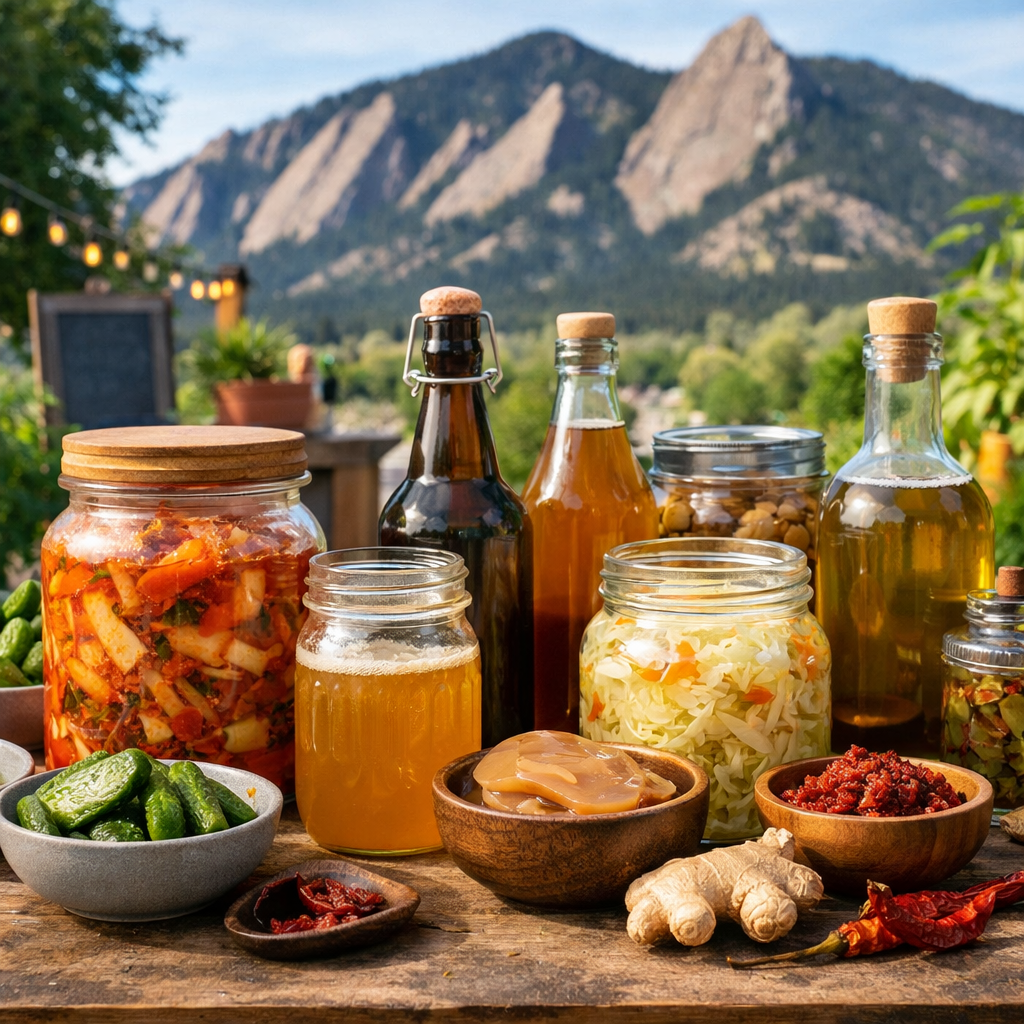
The Rise of Fermentation in Colorado: 12 Simple Ways Boulder Is Embracing It
Fermentation has quietly become one of the most visible food trends in Boulder, Colorado — not as a fad, but as a reflection of the city’s long-standing appreciation for craftsmanship, tradition, and flavor. From kombucha on tap to kimchi appearing on more menus, fermented foods and drinks are now part of everyday life around town.
Rather than being driven by hype, Boulder’s fermentation movement is rooted in culture, creativity, and a community that values how food is made. Here are twelve clear, observable ways fermentation is showing up across Boulder right now.
1. Fermented Foods Are More Visible Than Ever
Walk through Boulder and you’ll notice fermented foods in places where they weren’t common a decade ago — cafés, restaurants, grocery stores, and community gathering spots. Their presence alone signals growing interest.
2. Kombucha Is Widely Available Across the City
Kombucha has become a familiar option alongside coffee, tea, and beer. Many Boulder locations now offer bottled or on-tap kombucha as a standard beverage choice rather than a specialty item.
3. Boulder Supports Small-Batch Food Makers
Boulder has a strong tradition of supporting locally made products. Fermented foods naturally fit into this ecosystem, as they are often produced in small batches with hands-on processes.
4. Fermentation Aligns With Boulder’s Craft Culture
Beer brewing, artisan bread, specialty coffee, and pickling all rely on fermentation techniques. Boulder’s comfort with craft production makes fermented foods feel like a natural extension of what already exists here.
5. Restaurants Are Exploring Fermented Flavors
More Boulder menus feature fermented elements — from pickled vegetables to house-fermented sauces. These additions are often used to add depth, balance, and complexity to dishes.
6. Fermentation Has Deep Historical Roots
Fermentation is one of the oldest food preservation methods in the world, used across cultures for centuries. Its presence in Boulder connects modern dining with long-standing culinary traditions.
7. Kimchi and Fermented Vegetables Are Appearing More Often
Fermented vegetables such as kimchi, sauerkraut, and pickled greens are showing up more frequently in both restaurants and retail spaces, reflecting broader consumer curiosity.
8. Grocery Stores Stock More Fermented Options
Local grocery shelves now regularly include fermented foods like miso, kimchi, sauerkraut, and kombucha. This increase reflects demand and familiarity rather than novelty.
9. Fermentation Is Part of Traditional Cooking Techniques
At its core, fermentation is about time, transformation, and flavor development. Many Boulder chefs view it as a culinary technique rather than a trend.
10. Some Boulder Businesses Focus Entirely on Fermentation
Several local businesses center their offerings around fermented products, highlighting how established this category has become. Examples include Rowdy Mermaid and Boulder Fermentation Supply, each contributing to Boulder’s growing fermentation footprint in different ways.
11. Fermented Foods Reflect a “Try Something New” Mindset
Boulder diners are known for curiosity and openness to new flavors. Fermented foods offer unique taste profiles that appeal to people who enjoy exploring food beyond the familiar.
12. Fermentation Fits Boulder’s Food Identity
Ultimately, fermentation resonates in Boulder because it reflects the city itself — thoughtful, hands-on, creative, and rooted in tradition. It’s less about trends and more about how food fits into everyday life.
Why This Matters for Boulder
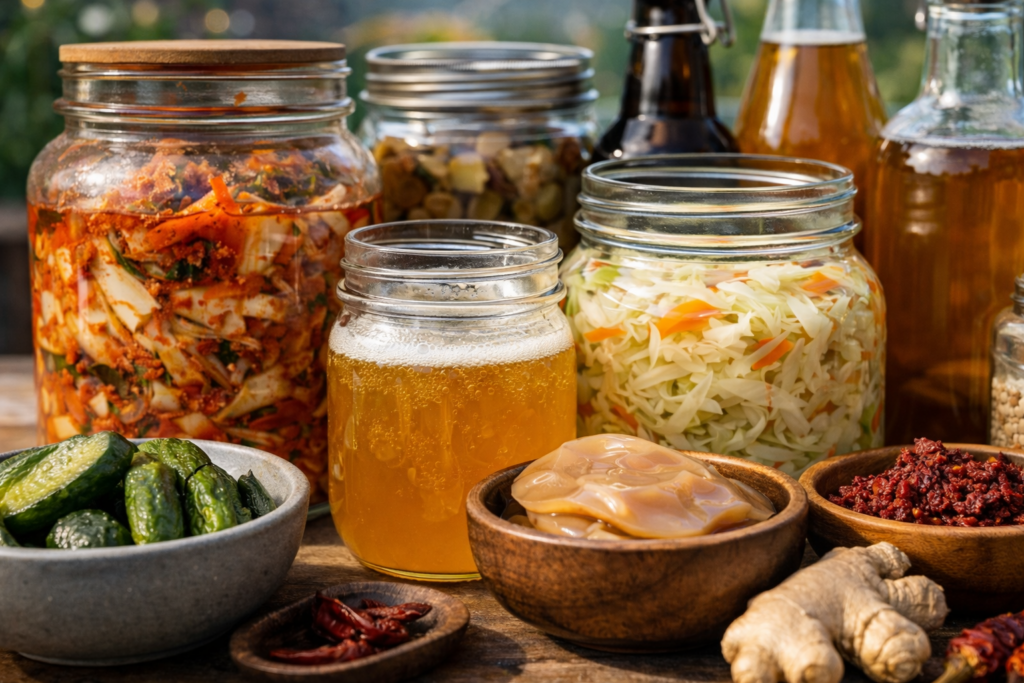
Fermentation’s rise in Boulder isn’t about making claims or chasing buzz. It’s about availability, craftsmanship, and a shared appreciation for food made with care. Whether through beverages, vegetables, or sauces, fermentation has earned a comfortable place in Boulder’s evolving food culture.
As Boulder continues to support local makers and creative kitchens, fermented foods are likely to remain part of the conversation — not loudly, but consistently.