
Boulder’s Gold Rush History: How a Wild West Mining Camp Became a Mountain Paradise

At the base of the Flatirons, Boulder, Colorado has evolved from a rugged gold rush settlement into one of America’s most iconic mountain towns. Today, Boulder is known for outdoor adventure, the University of Colorado, innovation, wellness culture, and breathtaking scenery. But long before hikers filled the trails and students packed Pearl Street, fortune seekers poured into the area chasing rumors of gold.
With Colorado celebrating its 150th anniversary of statehood in 2026, Boulder’s Wild West origins are drawing renewed attention. The story behind Boulder’s rise from mining outpost to mountain paradise remains one of the most fascinating chapters in Colorado history.
The Gold Rush That Started It All
Boulder’s story began during the Pike’s Peak Gold Rush of 1858 and 1859. Prospectors searching the Rocky Mountains for gold established camps throughout the Front Range, including near the mouth of Boulder Canyon.
In January 1859, members of a prospecting party led by Captain Thomas Aikins reportedly discovered gold in a tributary of Fourmile Creek west of present-day Boulder. The stream became known as Gold Run, and the nearby settlement quickly developed into Gold Hill, widely considered Colorado’s first permanent mining town in the mountains.
News of the discovery spread rapidly across the territory. Miners, merchants, gamblers, and adventurers flooded the area hoping to strike it rich. By March 1859, miners organized Mountain District No. 1, one of the earliest formal mining districts in what would later become Colorado Territory.
Gold Run reportedly produced nearly $100,000 worth of gold during its first year, an enormous amount for the time. Early placer mining eventually gave way to hard-rock mining as prospectors chased gold deeper into the mountains surrounding Boulder County.
Nearby mountain communities including Ward, Nederland, and Jamestown soon followed with mining booms of their own.
Life in Early Gold Hill
Life in Gold Hill during the late 1850s and early 1860s was rough, unpredictable, and filled with opportunity. Tents and log cabins lined the hillsides as miners endured harsh winters, difficult terrain, and uncertain fortunes.
At its peak, Gold Hill’s population approached 1,500 residents. Saloons, blacksmith shops, boarding houses, and supply stores quickly appeared to support the growing mining community.
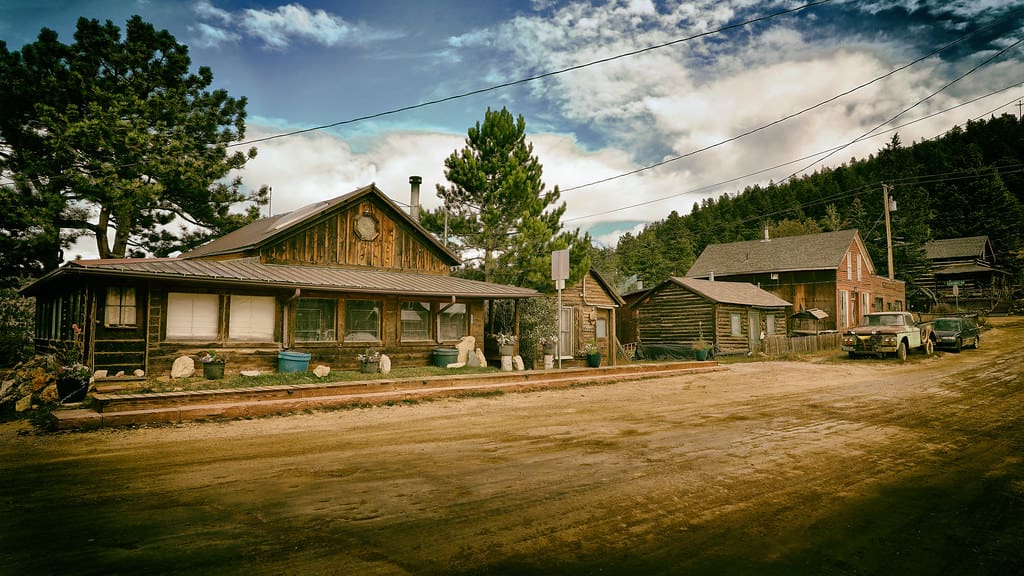
Like many boomtowns of the era, Gold Hill experienced dramatic highs and lows. As easily accessible gold deposits became harder to find, many miners moved on to other regions. Yet unlike many abandoned mining camps across the West, Gold Hill survived.
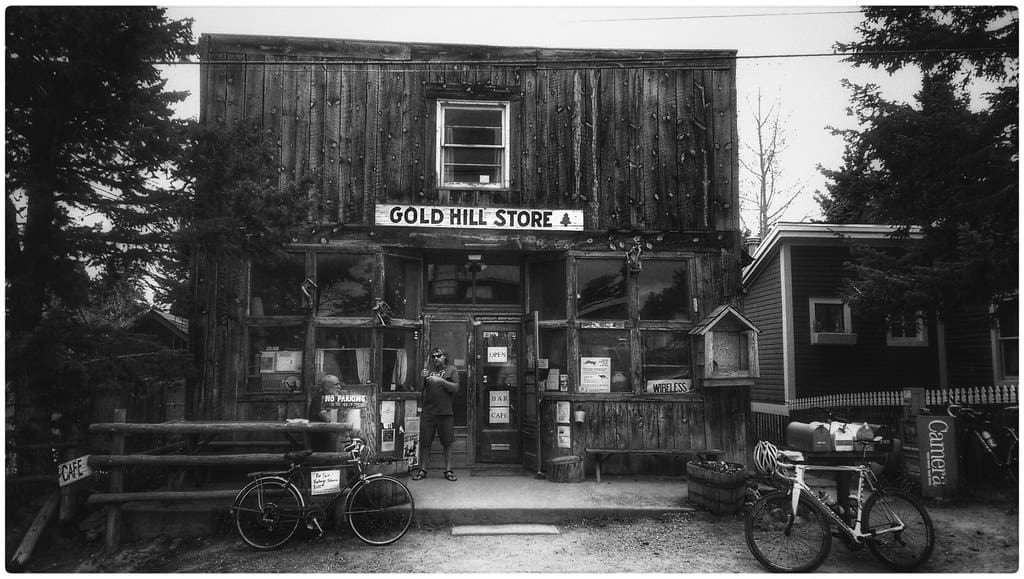
Gold Hill, Colorado
Today, the town remains remarkably preserved. Visitors still find dirt roads, historic cabins, mountain scenery, and Colorado’s oldest continuously operating schoolhouse. The famous Gold Hill General Store, often called the Red Store, continues serving food, drinks, and live music while maintaining the character of the Old West.
The town feels less like a museum and more like a living piece of Colorado history.
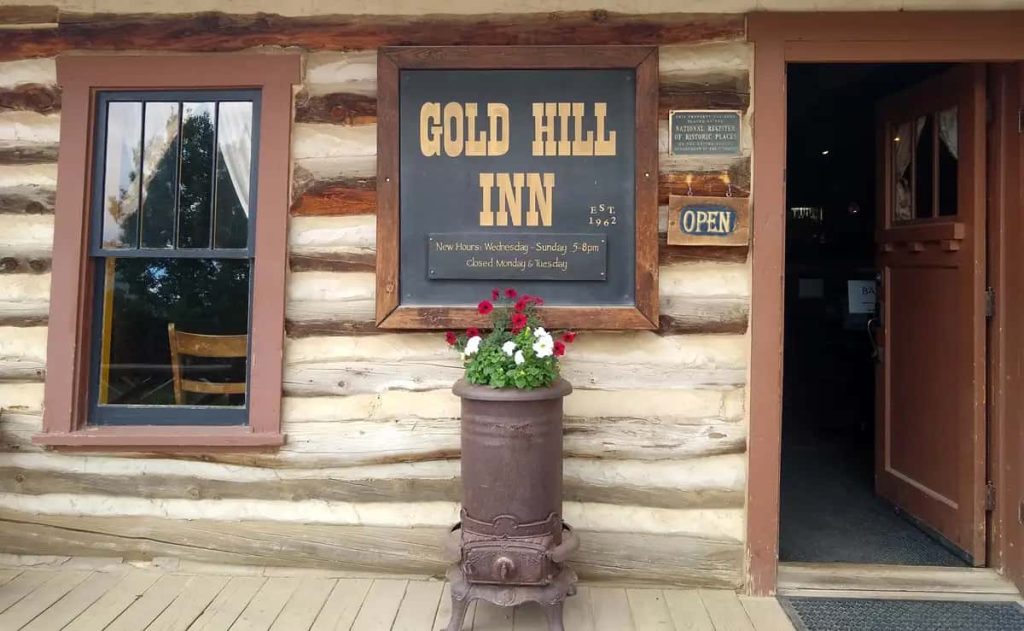
How Boulder Changed Forever
While mining activity slowly faded in the mountains, Boulder itself began transforming into something far more sustainable.
The original settlement known as Boulder City became an important supply hub for mining communities throughout the region. Merchants, ranchers, and entrepreneurs recognized that Boulder’s future extended beyond gold alone.
A major turning point came in 1876 when Colorado officially became a state and the University of Colorado was established in Boulder. Classes began the following year in Old Main, forever changing the direction of the city.
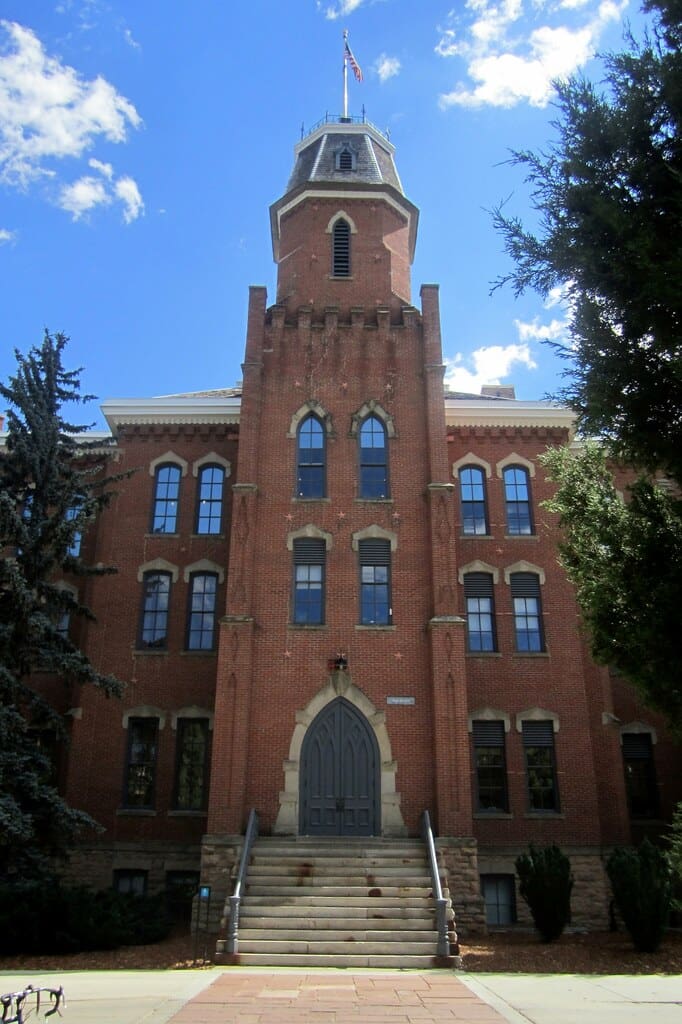
Old Main
Instead of becoming another fading mining town, Boulder developed into a center for education, culture, science, and innovation.
That contrast still fascinates visitors today. The same mountains that once attracted prospectors now inspire hikers, climbers, runners, students, artists, and entrepreneurs from around the world.
Why Boulder’s History Is Trending in 2026
Colorado’s 150th anniversary has renewed interest in the state’s pioneer roots, historic towns, and legendary mining history.
Road trips to places like Gold Hill have become increasingly popular as travelers search for authentic Colorado experiences beyond crowded tourist destinations. Scenic drives through Boulder Canyon, historic photo comparisons, and stories from Colorado’s early mining era continue performing strongly across social media platforms.
Boulder’s history feels especially powerful because the landscape itself still tells the story. Stand beside Boulder Creek or look west toward the Flatirons, and it becomes easy to imagine prospectors arriving here more than 165 years ago chasing dreams of gold.
That connection between past and present gives Boulder a unique identity few cities can match.
Whether you’re exploring Gold Hill for the first time, hiking through Boulder Canyon, or simply walking Pearl Street, the spirit of Colorado’s frontier history still lives here.
In this milestone year of 2026, there may be no better time to rediscover the remarkable story behind one of Colorado’s most beloved mountain towns.