
Don’t Get Caught High and Dry: Smart Hydration Tips for Summer in Boulder
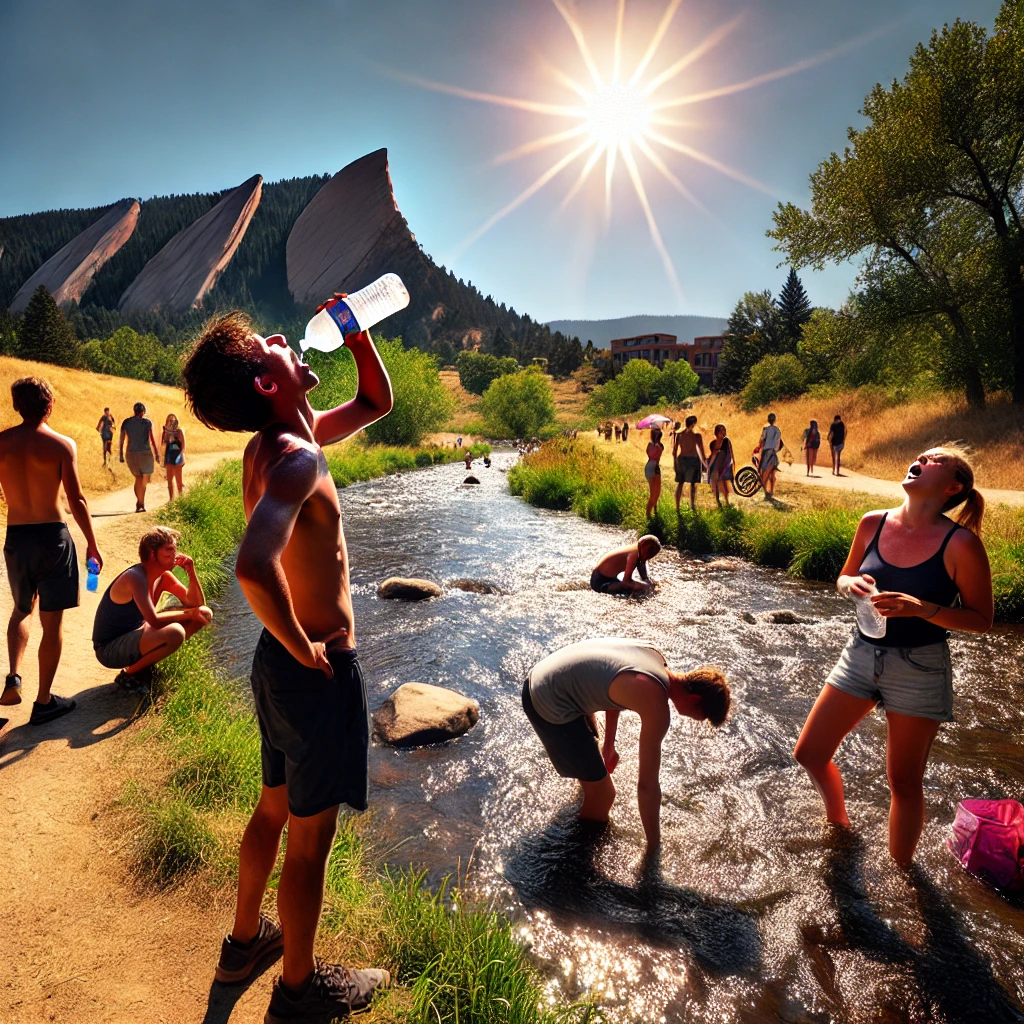
Boulder’s stunning summer days are hard to resist. With blue skies, warm temperatures in the 80s and 90s, and iconic outdoor destinations like the Flatirons, Chautauqua, Boulder Creek Path, and Mount Sanitas, it’s no wonder residents and visitors spend so much time outside.
But Boulder’s beauty comes with a hidden challenge: dehydration.
At 5,430 feet above sea level, combined with Colorado’s dry climate and intense sunshine, dehydration can develop faster than many people realize. The effects often sneak up on people because sweat evaporates quickly in Boulder’s low humidity, making it harder to recognize how much fluid your body is losing.
The result? A perfect summer day can quickly turn into headaches, fatigue, dizziness, muscle cramps, or poor performance on the trail.
Why Dehydration Happens Faster in Boulder
Boulder’s elevation affects the body in several ways.
First, the thinner air causes you to breathe more frequently, increasing the amount of water vapor lost through respiration. Your body also undergoes a process called altitude diuresis, which can temporarily increase urine production as you adjust to higher elevations.
Add Colorado’s dry air and strong summer sunshine, and moisture leaves the body rapidly through both breathing and perspiration.
Even experienced hikers, runners, cyclists, and outdoor enthusiasts can underestimate how much fluid they are losing because their clothing may never feel soaked with sweat.
For visitors arriving from lower elevations, the risk can be even greater. Symptoms of dehydration are often mistaken for altitude-related discomfort because both can cause headaches, fatigue, dizziness, and reduced energy.

Signs You’re Falling Behind on Hydration
The good news is that dehydration usually provides warning signs before it becomes serious.
Watch for:
- Dark yellow urine
- Dry mouth or increased thirst
- Headaches
- Fatigue
- Dizziness or lightheadedness
- Muscle cramps
- Reduced athletic performance
- Difficulty concentrating
A simple hydration check is urine color. Pale yellow is generally a good sign that you’re adequately hydrated, while darker shades often indicate it’s time to drink more fluids.
Your Boulder Summer Hydration Game Plan
Hydration isn’t just about drinking water when you feel thirsty.
By the time thirst kicks in, your body may already be playing catch-up.
Drink Consistently Throughout the Day
Many active adults need approximately 3 to 4 liters of fluid daily during the summer, with additional intake required during strenuous outdoor activities.
Carry a reusable water bottle wherever you go. Whether you’re walking Pearl Street, exploring Chautauqua, or spending the afternoon at Boulder Reservoir, having water nearby makes consistent hydration much easier.
Don’t Forget Electrolytes
Water is essential, but electrolytes matter too.
Sweating causes your body to lose sodium, potassium, magnesium, and other minerals that help regulate muscle function and hydration balance.
Electrolyte packets, sports drinks, coconut water, or simple homemade combinations of water, lemon, and a small amount of salt can help replenish what is lost during longer outdoor activities.
Maintaining this balance becomes especially important during long hikes, trail runs, bike rides, or hot afternoons in the sun.
Eat Your Water
Some of the most hydrating foods are readily available during Colorado’s summer produce season.
Excellent options include:
- Watermelon
- Cucumbers
- Strawberries
- Oranges
- Celery
- Spinach
- Peaches
- Tomatoes
These foods provide both fluids and valuable nutrients that support overall hydration.
Trail Tips for Flatirons and Mountain Adventures
If you’re heading into the foothills or mountains, preparation becomes even more important.
A few smart habits can make a huge difference:
- Start hikes early to avoid peak heat.
- Carry more water than you think you’ll need.
- Sip regularly rather than chugging large amounts at once.
- Take breaks in shaded areas.
- Wear a hat and lightweight clothing.
- Apply sunscreen frequently.
- Bring extra water for dogs.
For moderate to strenuous hikes, many outdoor experts recommend planning for roughly one liter of water every one to two hours of activity, depending on conditions and individual needs.
Special Considerations for Visitors, Athletes, Kids, and Pets
Certain groups face greater dehydration risks.
Visitors
New arrivals should focus on hydration during their first 24 to 48 hours in Boulder. Taking it easy while acclimating to the elevation can help prevent unnecessary discomfort.
Athletes
Runners, cyclists, tennis players, and hikers often notice performance declines before obvious dehydration symptoms appear. Staying ahead of fluid loss can improve endurance, recovery, and overall enjoyment.
Kids and Older Adults
Children and seniors may not recognize dehydration symptoms as quickly. Regular hydration reminders can help prevent problems before they start.
Pets
Dogs can become dehydrated rapidly during summer walks and hikes. Always bring fresh water and avoid the hottest parts of the day.
Enjoy Boulder Summer Without the Crash
Boulder’s outdoor lifestyle is one of the city’s greatest gifts. From sunrise hikes beneath the Flatirons to relaxing afternoons along Boulder Creek and weekend visits to the farmers market, summer offers endless opportunities to enjoy the Front Range.
The key is staying ahead of dehydration before symptoms appear.
Many longtime locals start each morning with a large glass of water and electrolytes, carry water throughout the day, and make hydration part of their daily routine rather than an afterthought.
A simple reminder on your phone or a marked water bottle can make all the difference.
Stay hydrated, stay energized, and enjoy everything Boulder summer has to offer.