
First–Second Flatiron Trail: Boulder’s Classic 0.9-Mile Climb with Big Elevation and Bigger Views

If you’re looking for a short hike in Boulder that delivers maximum reward for your effort, the First–Second Flatiron Trail is one of the best climbs in town. At just 0.90 miles with 1,111 feet of elevation gain, this is a compact but powerful adventure that takes you from the edge of the city into dramatic sandstone wilderness in under an hour.
Trail Overview
- Difficulty: Medium to Hard
- Length: 0.90 miles
- Trail Width: 1–3 feet
- Elevation Gain: 1,111 feet
- Activities: Hiking, Dogs allowed (on leash)
This trail begins by connecting from the Bluebell-Baird Trail before transitioning west onto the First–Second Flatiron Trail. From there, the climb begins almost immediately.
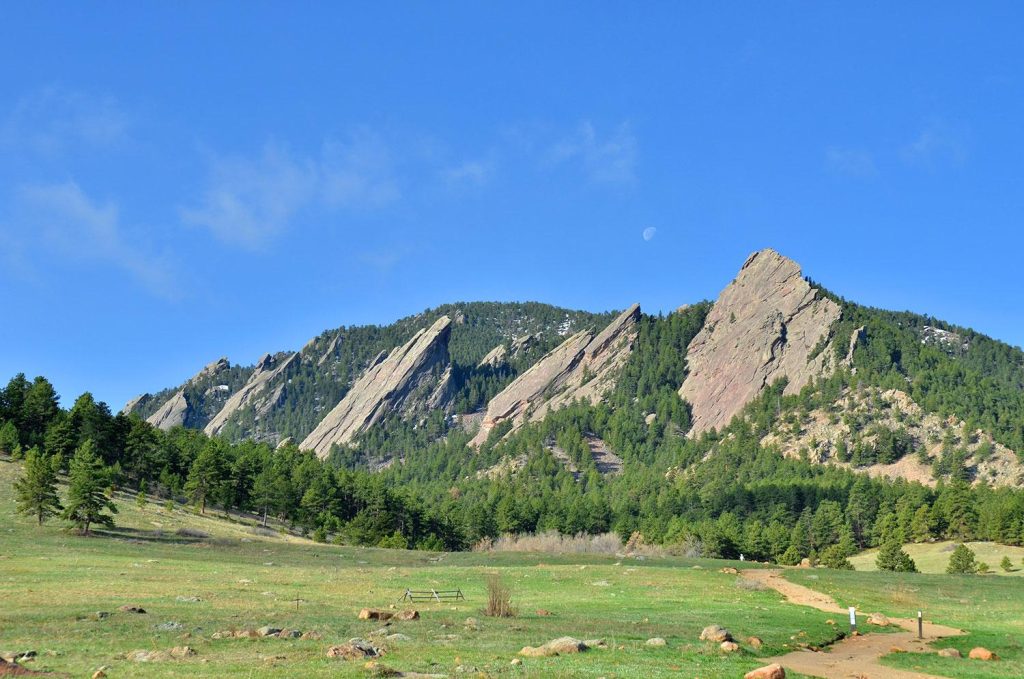
From Urban Trailhead to Rocky Switchbacks
One of the most unique aspects of this hike is how quickly it transitions. You start in familiar Boulder terrain—ponderosa pines, packed dirt, and city views in the distance. Within minutes, the trail narrows to 1–3 feet wide and begins climbing steep, rocky switchbacks.
The ascent is steady and demanding. This isn’t a long trail, but it makes up for distance with intensity. The elevation gain comes fast, so pacing yourself is key. Along the way, you’ll encounter light rock scrambling sections that require using your hands for balance. Nothing technical—but enough to make it feel adventurous.
This is not a casual stroll. It’s a focused climb.
The Saddle Between the First Flatiron and Sunset Rock
The reward comes when you reach the saddle between the First Flatiron and Sunset Rock. Here, Boulder unfolds beneath you. The sweeping views stretch across the city, the plains, and on clear days, far beyond.
Standing at the base of the towering sandstone formations gives you a close-up experience of the iconic Flatirons that define Boulder’s skyline. You’re not just looking at them from town—you’re standing right beneath them.
For many locals, this spot feels like the heartbeat of Boulder’s outdoor culture.
Winter Conditions: Be Prepared
While this trail is heavily trafficked year-round, winter adds a serious layer of difficulty. Ice and snow-packed sections are common from November through March. Microspikes or traction devices are strongly recommended during those months.
Without proper footing, the steep switchbacks can become slick and dangerous. Always check conditions before heading up, especially after snowstorms or freeze-thaw cycles.
Who Is This Trail For?
This hike is ideal for:
- Strong hikers looking for a short but intense workout
- Visitors wanting a classic Flatirons experience without a multi-hour commitment
- Boulder locals training for bigger climbs
- Dog owners with well-conditioned trail companions
Because of the elevation gain and narrow path, this trail is better suited for those comfortable with moderate to strenuous terrain.
Why It’s a Boulder Classic
In under a mile, the First–Second Flatiron Trail delivers everything that makes Boulder special—quick access, dramatic geology, physical challenge, and panoramic views.
It’s efficient. It’s iconic. And it reminds you why living in or visiting Boulder feels different.
If you only have an hour and want to feel fully immersed in the Flatirons experience, this is the trail.
Just bring water, steady legs, and in winter—spikes.