
Mountain Biking in Boulder Colorado: What You Need to Know About Riding in Winter
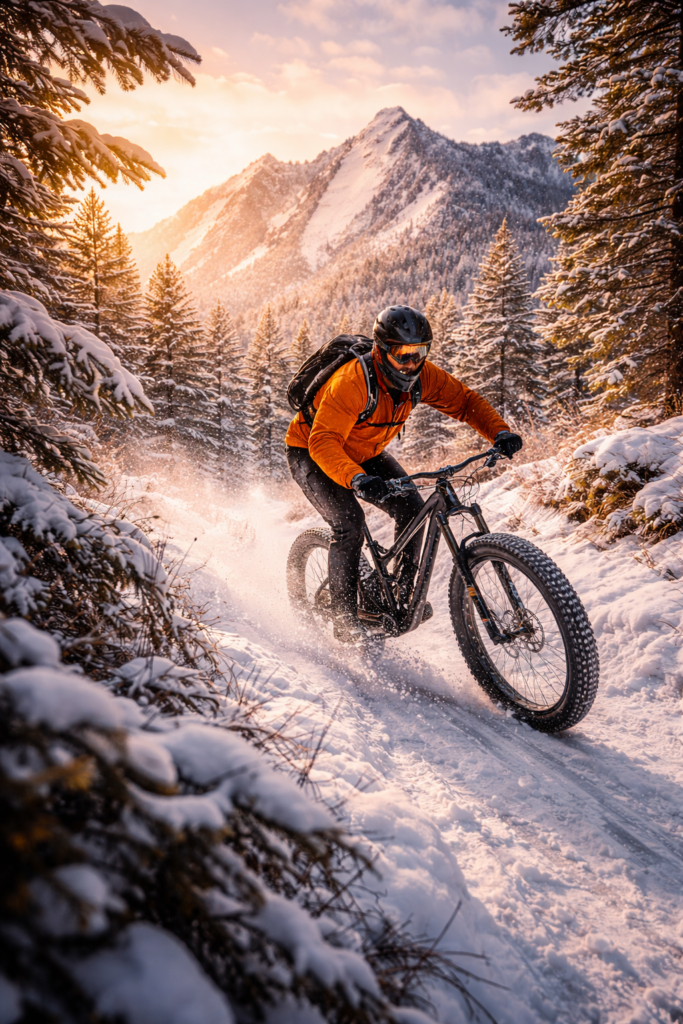
Winter mountain biking in Boulder, Colorado, is not only possible—it can be one of the most rewarding times of year to ride. With fewer people on the trails, crisp air, and dramatic views of snow-lined foothills, winter riding offers a quieter, more intentional way to experience Boulder’s legendary trail system.
The most important factor in winter riding is trail condition, not temperature. Boulder’s freeze-thaw cycles can quickly turn solid dirt into soft mud. Riding on muddy trails causes long-term damage that can last well into spring. Local land managers consistently remind riders to wait until trails are either fully dry or completely frozen before heading out, guidance clearly outlined by the City of Boulder Open Space & Mountain Parks.
South-facing trails are often the best winter option. These routes receive more sunlight, allowing them to dry faster after snowstorms. Lower-elevation trails also tend to remain more rideable than higher mountain routes, which can stay icy for extended periods. Winter riders in Boulder learn quickly that flexibility is essential—conditions can change dramatically from one day to the next.
Shorter daylight hours also shape winter riding habits. Canyon shadows arrive early, and temperatures can drop quickly once the sun dips behind the foothills. Planning rides during the warmest part of the day and allowing plenty of time to finish before sunset makes winter outings far more enjoyable. Many riders also carry lights as a backup, even for midday rides.

Proper clothing and bike setup make a noticeable difference. Layering allows riders to manage body temperature as conditions change throughout a ride. Wind-resistant outer layers and insulated gloves are especially important on descents. Slightly lower tire pressure can improve traction on cold, hard-packed surfaces, helping riders maintain control without sacrificing efficiency.
Trail stewardship becomes even more critical in winter. Choosing not to ride when conditions are poor is part of being a responsible mountain biker. Organizations like the International Mountain Bicycling Association emphasize that protecting trails is a shared responsibility, and winter is when those decisions matter most. Respecting trail conditions helps ensure Boulder’s riding remains exceptional year after year.
One of the greatest rewards of winter mountain biking is solitude. Trails that feel crowded in summer become calm and reflective. Wildlife sightings are more common, and the landscape takes on a quieter rhythm. Many riders describe winter rides as grounding, offering a deeper connection to Boulder’s natural environment.
Winter riding also builds skill. Cold conditions demand smoother handling, better balance, and heightened awareness. Riders become more attentive to line choice and braking, skills that carry over into spring and summer riding.
For those new to winter mountain biking, starting small is the best approach. Stick to familiar trails, ride during warmer daylight hours, and always check conditions before heading out. Boulder’s riding culture values patience and respect for the land, and learning when to ride—and when not to—is part of that ethic.
Boulder has earned its reputation as a year-round outdoor destination because its residents adapt with the seasons. When approached thoughtfully, winter mountain biking becomes less about miles and more about awareness, stewardship, and appreciation for the land.
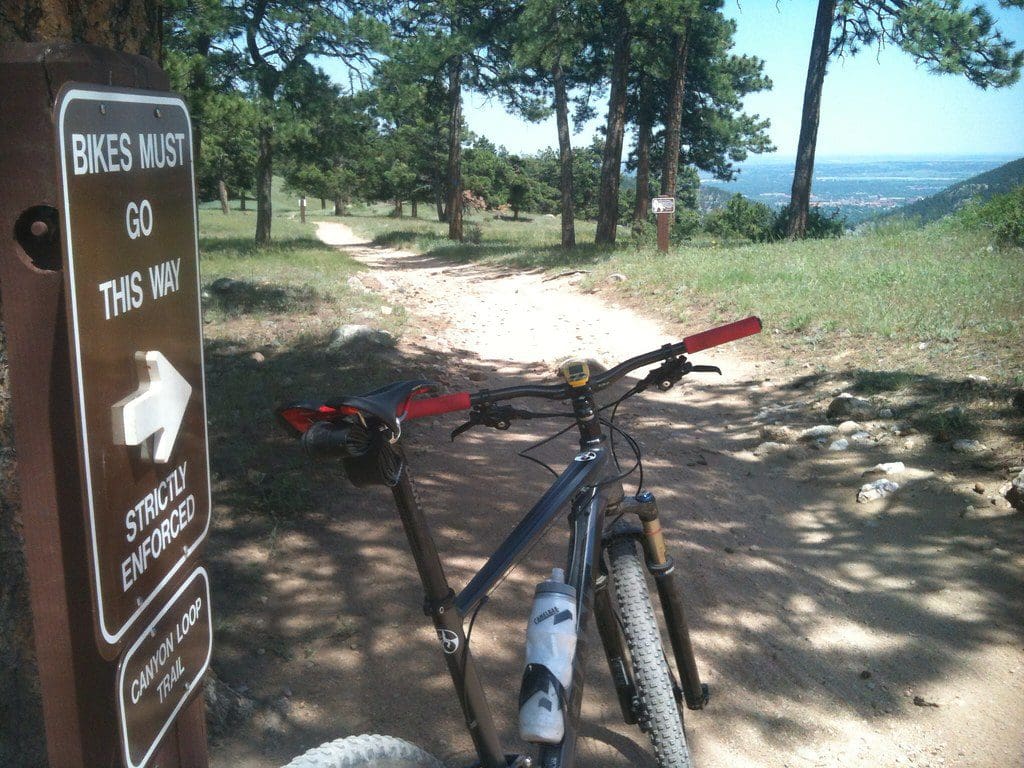
One-way single track at Betasso Preserve, Boulder, CO
Winter-Friendly Boulder Mountain Biking Areas (Conditions Dependent)
-
Marshall Mesa – Lower elevation and more sun exposure make this area one of the first to dry after winter weather.
-
Dowdy Draw – A popular connector for winter riding, often usable when conditions are right and trails are firm.
-
Betasso Preserve – Higher elevation and shade mean it requires extra patience; best ridden only when fully dry or frozen.
Trail conditions change quickly in winter. Always check current conditions and avoid riding muddy trails to protect Boulder’s trail system.