Beginner’s Guide to Paddleboarding in Colorado
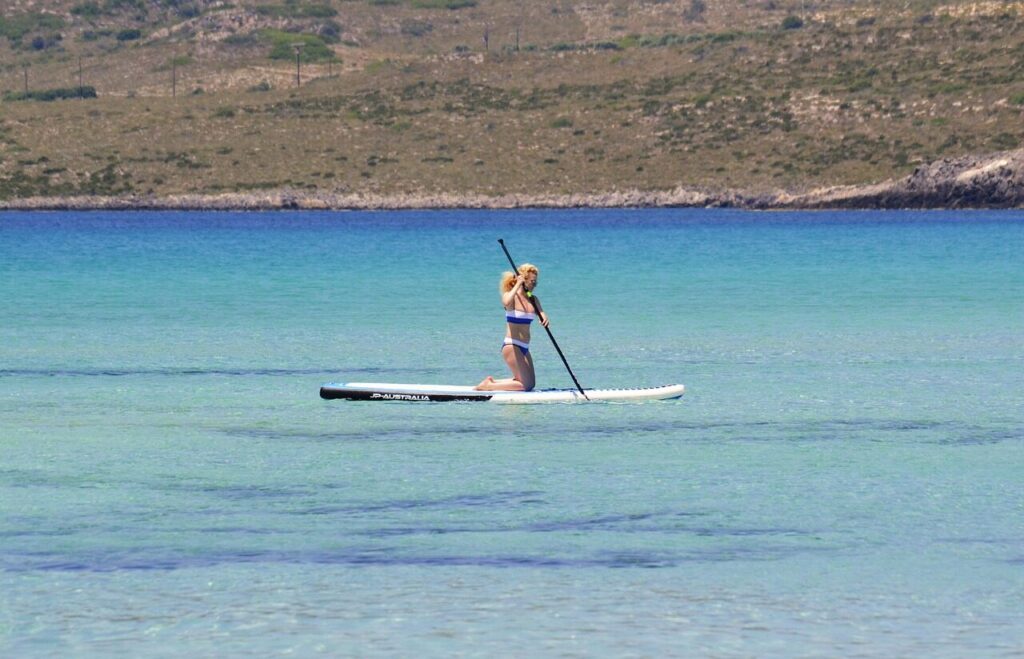
Photo by DanielaElenaTentis on Pixabay
Colorado’s stunning alpine lakes, pristine reservoirs, and meandering rivers create an incredible playground for paddleboarding enthusiasts. Whether you’re a complete novice or looking to expand your water sports repertoire, paddleboarding in the Centennial State offers breathtaking scenery and unforgettable experiences. This guide will help you navigate everything from choosing the right equipment to finding the perfect launch spot for your first adventure on the water.
Understanding Colorado’s Unique Paddleboarding Conditions
Paddleboarding in Colorado presents unique challenges and rewards compared to coastal locations. The high altitude means thinner air, which can affect your stamina and endurance on the water. You’ll tire more quickly at first, so plan shorter sessions until your body acclimates.
The state’s elevation also means intense sun exposure and unpredictable weather patterns. Mountain storms can develop rapidly, turning calm waters choppy within minutes. Always check weather forecasts before heading out and keep an eye on changing conditions while you’re on the water.
Water temperatures in Colorado remain surprisingly cold even during summer months, rarely exceeding 70 degrees Fahrenheit in most locations. Wearing appropriate gear and understanding cold water safety becomes essential, even on warm, sunny days.
Essential Gear for Getting Started
Your most important investment is the paddleboard itself. Beginners should look for wider boards, typically 32 to 36 inches, which offer greater stability. Inflatable boards work exceptionally well for Colorado paddleboarding since they’re portable, durable against rocky shores, and easier to transport through mountain roads.
A properly sized paddle makes all the difference in your experience. The paddle should stand about six to eight inches taller than you. Adjustable paddles offer flexibility as you refine your technique and can accommodate multiple users.
Don’t overlook safety equipment, which is both smart and legally required. Colorado law mandates a U.S. Coast Guard-approved personal flotation device for each person on a paddleboard. A leash connecting you to your board prevents separation if you fall, which is particularly important in moving water or windy conditions.
Where to Find the Best Paddleboarding in Colorado
Colorado offers diverse paddleboarding locations suitable for beginners. Grand Lake, the state’s largest natural lake, provides calm waters and spectacular views of Rocky Mountain National Park. The expansive surface area gives you plenty of room to practice without feeling crowded.
Horsetooth Reservoir near Fort Collins features several beaches and launch points with easy water access. The protected coves offer ideal conditions for first-timers, while more adventurous paddlers can explore the reservoir’s many inlets.
Dillon Reservoir near Vail showcases some of the best paddleboarding in Colorado, with its massive size and stunning mountain backdrop. The marina area provides gentle waters perfect for beginners, and the scenery alone makes every paddle stroke worthwhile.
For those near Colorado Springs, Prospect Lake offers a smaller, more intimate setting. The no-wake policy keeps waters calm, and the surrounding park amenities make it convenient for families.
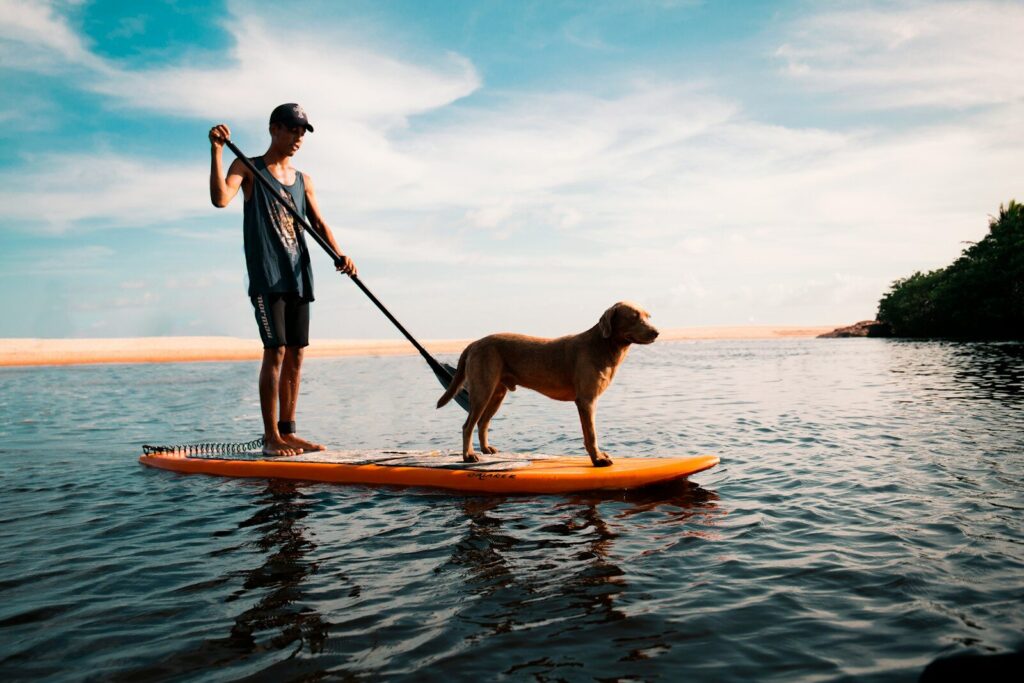
Photo by Marco López on UnSplash
Mastering Basic Paddleboarding Techniques
Start by practicing on your knees before standing up. This lower center of gravity helps you get comfortable with the board’s movement and develop your balance. Position yourself in the center of the board with your knees where you’ll eventually place your feet.
When you’re ready to stand, place your hands on the board’s sides and move one foot at a time to where your knees were. Keep your feet parallel, hip-width apart, and maintain a slight bend in your knees. Your gaze should focus on the horizon, not down at your feet.
Proper paddling technique involves more than just arm strength. Insert the paddle fully into the water ahead of you, pull it back to your ankle, then lift it out. Rotate your torso and engage your core muscles for more powerful, efficient strokes that won’t exhaust your arms.
Safety Considerations and Best Practices
Never paddleboard alone, especially as a beginner. Having a companion ensures someone can help if you encounter difficulties or changing weather conditions. Let someone on shore know your plans and expected return time.
Morning sessions typically offer the calmest conditions, as afternoon winds frequently pick up in Colorado’s mountains. Start early to enjoy glassy water and avoid the challenges of choppy surfaces and whitecaps.
Stay aware of your surroundings, including other watercraft, swimmers, and wildlife. Give motorized boats plenty of space, and remember that you’re a guest in the natural habitat of fish, birds, and other creatures.
Conclusion
Paddleboarding in Colorado combines physical activity with unmatched natural beauty, creating an accessible outdoor adventure for people of all ages. By understanding the unique conditions, investing in proper equipment, choosing beginner-friendly locations, and prioritizing safety, you’ll set yourself up for success on the water. Start with calm days and protected areas, practice your technique, and gradually build your confidence. Before long, you’ll be exploring Colorado’s magnificent waterways with the skill and assurance of an experienced paddleboarder.