Boulder Reservoir: History, Fun Facts & Everything You Need to Know

Boulder Reservoir
Boulder Reservoir is officially back open, and the timing couldn’t be better.
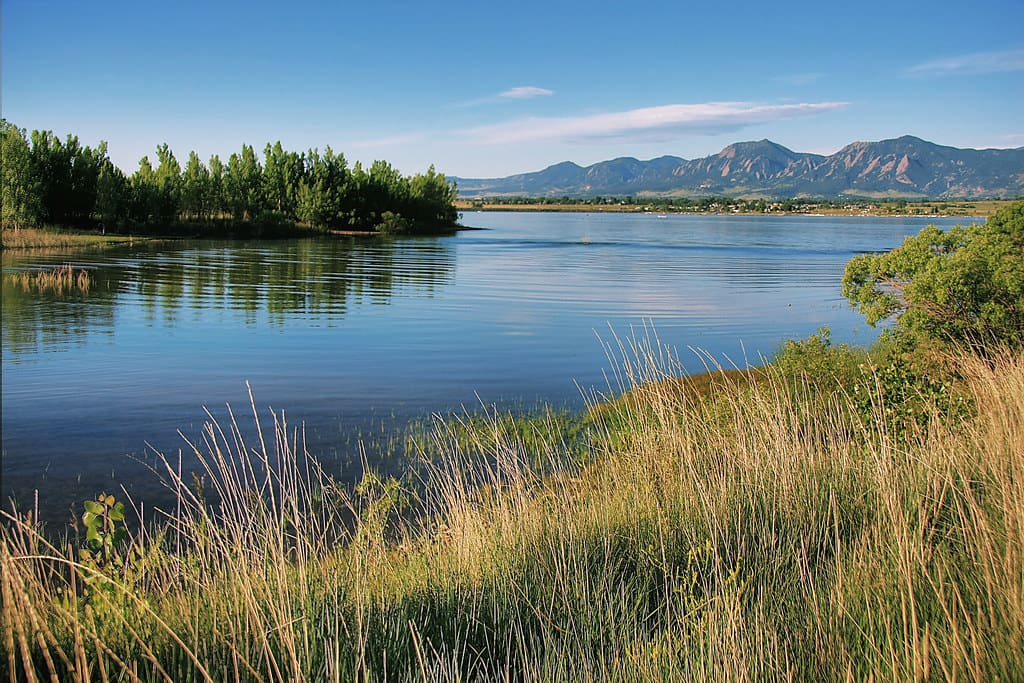
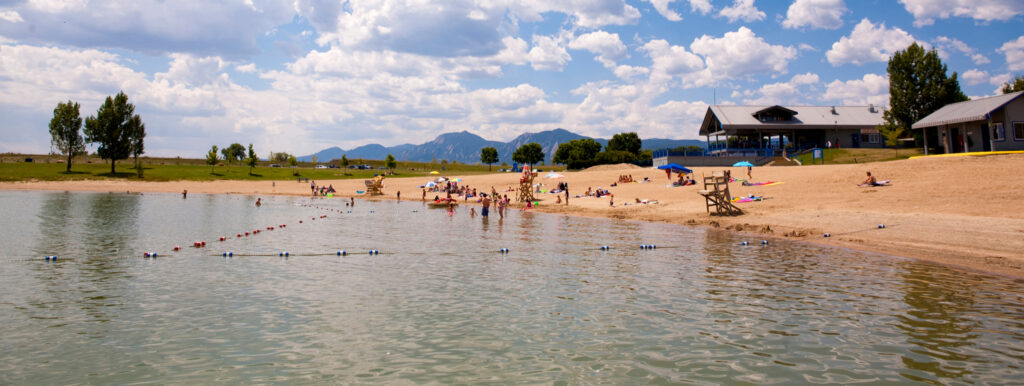
Known simply as “The Res” to locals, this 700-acre oasis just north of town has been one of Boulder’s favorite summer destinations for generations. Whether you’re looking for a relaxing beach day, an early morning paddleboard session with breathtaking Flatirons views, a scenic five-mile walk, or a peaceful afternoon of fishing, the reservoir offers one of the best outdoor experiences anywhere along Colorado’s Front Range.
After a brief temporary closure in mid-July due to a potential harmful algae bloom, the City of Boulder has reopened the swim beach following water quality testing and continued monitoring. While officials still encourage visitors to avoid areas that show visible signs of algae, the designated swim beach is once again welcoming swimmers for the remainder of the summer.
A Reservoir Built for Water—And Loved for Recreation
Boulder Reservoir wasn’t originally designed as a recreation destination.
The City of Boulder purchased the land from the Axelson family’s dairy farm and officially broke ground on May 1, 1954. Construction was completed on February 11, 1955, at a cost of just over $1.15 million. That spring, water from the Colorado-Big Thompson Project began filling the reservoir through what is now known as the Boulder Feeder Canal.
Just two months later, crews delivered 75 tons of sand to create the reservoir’s very first beach.
Although the lake’s primary mission was to store irrigation and drinking water, Boulder residents immediately embraced it as a place to relax and enjoy the outdoors.
Boulder Reservoir
During its first Fourth of July celebration in 1955, more than 1,400 cars paid the 25-cent admission fee to picnic, swim, and celebrate by the water. That August, the city’s first boating permits went on sale, beginning a recreation tradition that continues today.
A major renovation in the early 1980s transformed the reservoir into the destination visitors know today. A voter-approved bond funded a new protected swim beach in the southwest corner, added running water, improved picnic areas, and built many of the facilities still enjoyed by visitors.
Today, Boulder Reservoir continues serving its original purpose by supplying roughly 20 percent of Boulder’s drinking water while also welcoming thousands of outdoor enthusiasts every year.
Fun Facts About Boulder Reservoir
Here are a few things many visitors don’t know:
- The reservoir holds approximately 13,270 acre-feet of water.
- It typically fills to capacity by June before gradually being drawn down through late summer.
- The popular five-mile mostly unpaved trail circles the reservoir and is a favorite among runners, walkers, cyclists, and photographers.
- Wildlife includes bass, catfish, walleye, saugeye, osprey, great blue herons, hawks, owls, rabbits, prairie dogs, and countless other species.
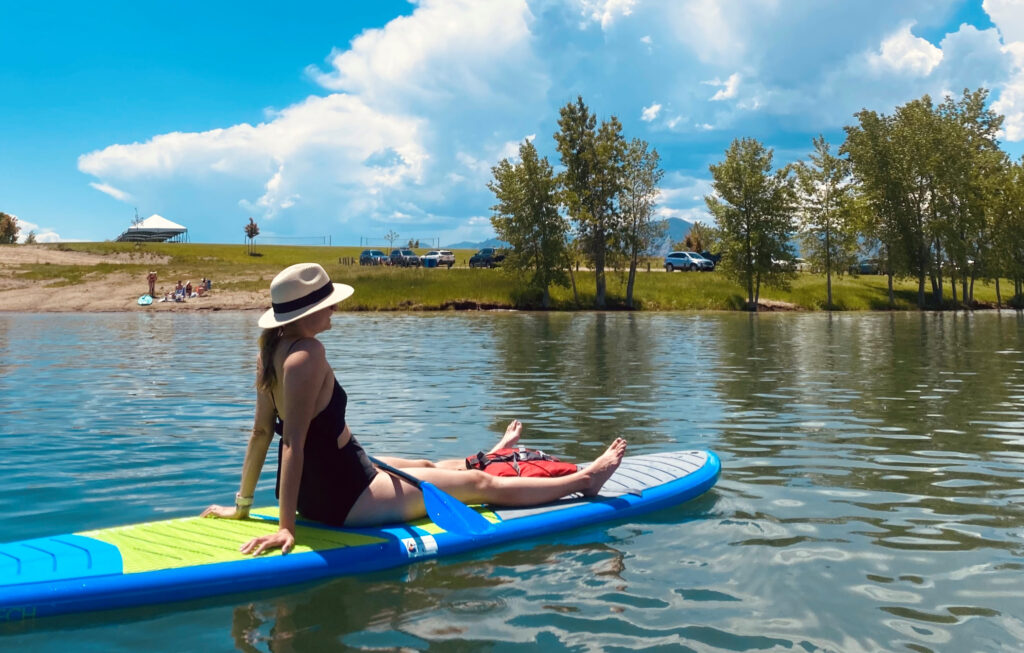
- Every watercraft—including paddleboards, kayaks, canoes, inflatable SUPs, and sailboats—requires a current Boulder Reservoir permit before launching.
What You Can Enjoy Today
With the swim beach reopened, Boulder Reservoir is once again one of the best places to cool off during a Colorado summer.
Visitors can swim in the designated beach area, paddleboard across calm morning water, kayak along the shoreline, fish from shore or the fishing dock, enjoy a lakeside picnic, play sand volleyball, or simply relax while taking in panoramic views of the Flatirons.
The scenic five-mile loop is one of the flattest and most enjoyable walks in Boulder County, making it popular with walkers, runners, cyclists, birdwatchers, and photographers throughout the day.
Families especially appreciate the sandy beach, open grassy areas, picnic sites, snack concession, showers, and easy access that make spending an entire day at the reservoir effortless.
The Recent Algae Closure
In mid-July, Boulder Parks & Recreation staff observed what appeared to be a harmful blue-green algae (cyanobacteria) bloom in portions of the reservoir.
Out of an abundance of caution, officials temporarily closed the swim beach, collected water samples for laboratory testing, and advised visitors to keep dogs out of the water while conditions were evaluated.
Following continued monitoring and improved water quality, the swim beach reopened.
City officials continue monitoring the reservoir during the summer and encourage visitors to avoid any water that appears thick, pea-soup green, bright blue-green, foamy, or covered with surface scum. Operational updates are available through Boulder Reservoir’s text alert system and official website.
Before You Go
The reservoir is generally open daily throughout the summer, although swimming hours, weather conditions, and special events can affect access.
Afternoon thunderstorms, lightning, high winds, or poor visibility may temporarily close the swim beach. Since operating schedules and entry fees occasionally change, it’s always smart to check the official Boulder Reservoir webpage before heading out.
A Boulder Tradition That Never Gets Old
More than 70 years after construction began, Boulder Reservoir remains one of the city’s true outdoor treasures.
It’s a working water-storage reservoir that also happens to be one of the most accessible places in Boulder County to swim, paddle, fish, walk, picnic, or simply unwind beneath Colorado’s famous blue skies. Few places combine spectacular Flatirons views, open water, abundant wildlife, and family-friendly recreation quite like “The Res.”
Now that the swim beach has reopened, there’s no better time to grab a towel, pack a picnic, and enjoy one of Boulder’s favorite summertime traditions while the warm weather lasts.