
Denver Car Accident Statistics: Why Colorado Drivers Need a Local Attorney in Their Corner
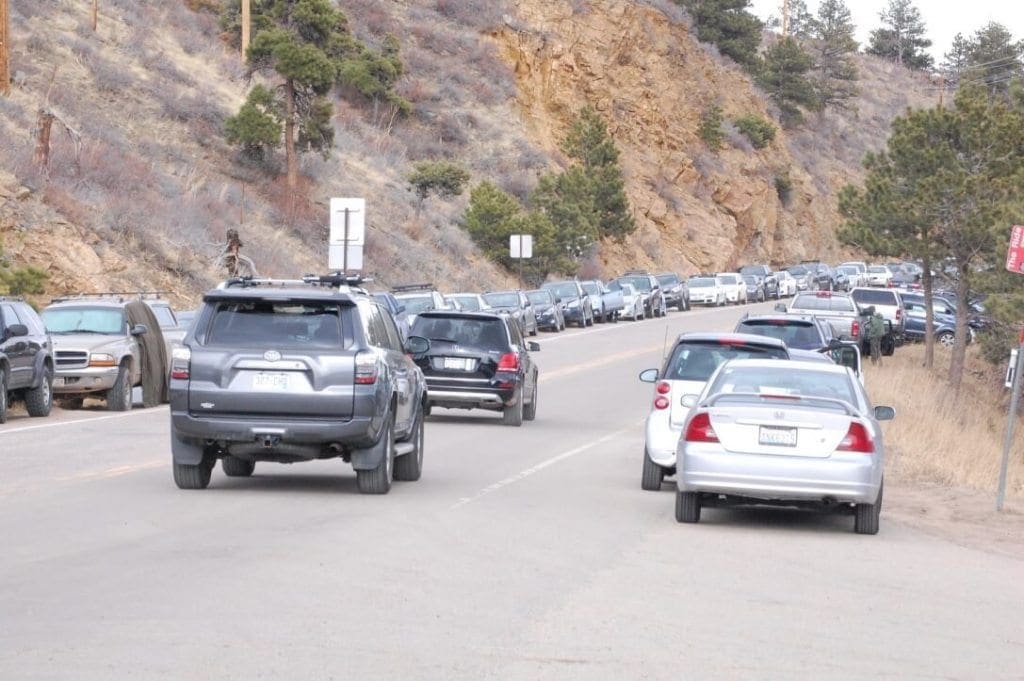
Traffic and parked cars on Canyon Blvd in Nederland
Colorado roads tell a complicated story. Between Denver’s rapid population growth, its geography, and the unpredictable Front Range weather patterns that can turn a clear highway into a sheet of ice in under an hour, car accidents in the metro area happen at a rate that surprises most people who have not looked at the numbers. Understanding what the data actually says, and what it means for drivers who end up in a crash, is something every Colorado resident deserves to know.
What the Numbers Show
The Colorado Department of Transportation tracks crash data across the state, and the Denver metro consistently accounts for the highest concentration of collisions year over year. Denver County alone regularly sees thousands of reportable crashes annually, and a significant portion of those result in injuries that require medical attention.
Rear-end collisions are the most common type in the metro area, particularly on I-25 and I-70 during peak commute hours. Intersection crashes, especially left-turn accidents at signalized intersections, make up another large segment. Pedestrian and bicycle accidents, while lower in total volume, tend to result in disproportionately serious injuries given the lack of protection for those involved.
Weather plays a substantial role that out-of-state visitors often underestimate. Denver gets over 300 days of sunshine a year, but those winter months can be brutal. Black ice forms quickly, especially on elevated sections of highway and bridges. The state sees a notable spike in crash rates during the first snowfall of each season, when drivers have not yet adjusted their habits for winter conditions.
Why Local Knowledge Changes Everything
When it comes to building a car accident claim in Colorado, the details of where and how a crash happened matter enormously. A Colorado car accident compensation who handles cases in this market does not just know the law. They know the intersection where a poorly timed traffic signal has caused dozens of crashes. They know which stretches of highway CDOT has been cited for inadequate maintenance. They know how Denver juries and insurance adjusters think, and they have handled claims against every major carrier operating in the state.
An attorney who practices locally is not starting from scratch on your case. They are working from a foundation of local context that changes how they investigate, how they negotiate, and ultimately how they advocate on your behalf.
Contributory Factors Unique to Denver Roads
Several factors make Denver area crashes more complex than they might appear in smaller markets. Construction zones are practically a permanent feature of the city’s landscape, and accidents in construction zones carry specific legal considerations around signage, posted speed limits, and contractor liability. The presence of commercial freight on I-70 and C-470, especially through the mountain corridors, means truck accidents are more common here than in many other cities of similar size.
There is also the matter of ride-share and delivery traffic, which has grown substantially as the city has expanded. Crashes involving Uber, Lyft, DoorDash, or Amazon delivery vehicles involve a layered insurance structure that is genuinely confusing without someone who knows how to navigate it.
What Drivers Often Get Wrong After a Crash
One of the most consistent patterns attorneys see after Denver car accidents is that people underestimate the value of their claim and accept the first settlement offer. Insurance companies make quick offers for a reason. They know that in the days following a crash, before you fully understand the extent of your injuries or the impact on your work and daily life, you are more likely to take a number that closes the case fast.
That offer almost never accounts for ongoing medical care, future therapy, lost earning capacity, or pain and suffering. Once you sign a release, there is no going back regardless of what develops medically in the months ahead. Knowing what the data shows about Denver crashes, and understanding the specific legal terrain of the Colorado claims process, is exactly why having a local attorney in your corner from the beginning changes outcomes.