Elizabeth, Colorado: One of America’s Fastest-Growing Towns
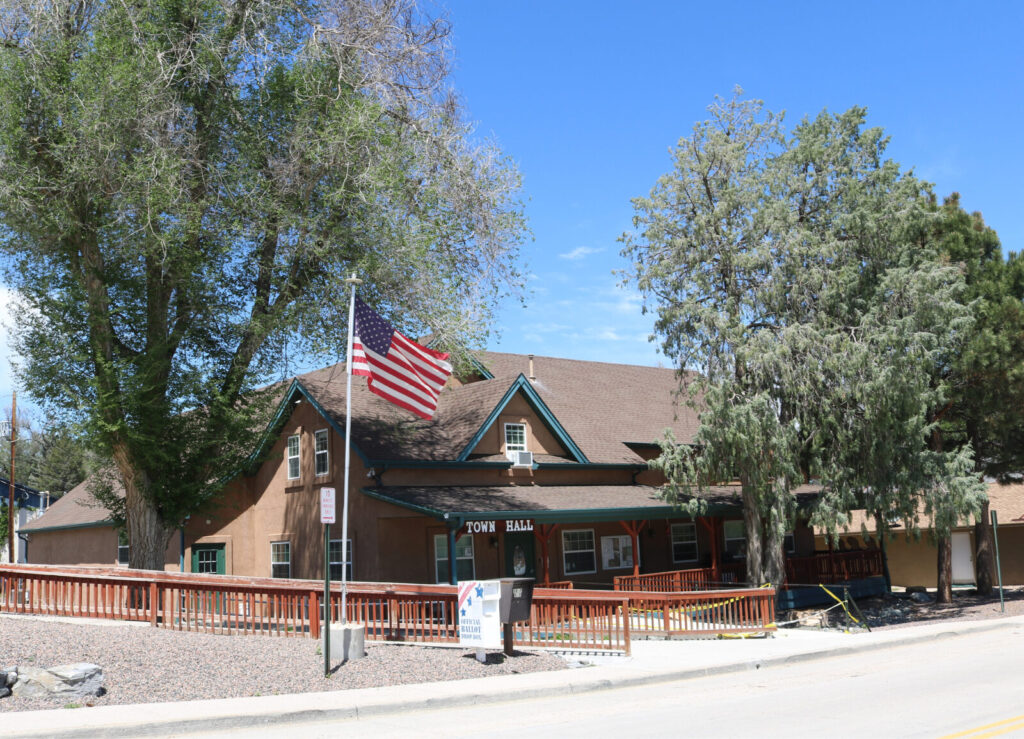
Elizabeth, Colorado town hall
Boulder and the surrounding Front Range remain among the most desirable places to live in Colorado. They are also among the most expensive.
Housing costs, limited inventory, and increasing density have changed the equation for many residents, even as the appeal of Colorado’s outdoor lifestyle remains as strong as ever. People still want access to trails, open space, strong communities, and the quality of life that has long defined places like Boulder.
Increasingly, some are simply looking farther out to find it.
That trend came into focus when Outside published its list of the fastest-growing mountain towns in America in November 2025. Only one Colorado community made the national list: Elizabeth.
Elizabeth sits in Elbert County southeast of Denver. It isn’t a traditional Colorado mountain town, and it certainly isn’t a Boulder suburb. But its rapid growth tells an important story about where people are looking for space, affordability, outdoor access, and a quieter way of life.
Elizabeth, Colorado Is Growing Fast
The numbers are striking.
According to World Population Review, Elizabeth’s estimated population has reached approximately 3,220 in 2026, with an annual growth rate of about 8.9 percent. Its population estimate has increased dramatically since 2020.
That is remarkable growth for a small Colorado town.
When Outside assembled its national list, it pointed to many of the same forces reshaping communities across the West: people looking for a slower pace, lower costs, proximity to family, and greater access to an outdoor-oriented lifestyle.
Elizabeth offers another advantage: it remains within reach of the Denver metropolitan area while maintaining a distinctly more rural character.
And outdoor recreation is close by.
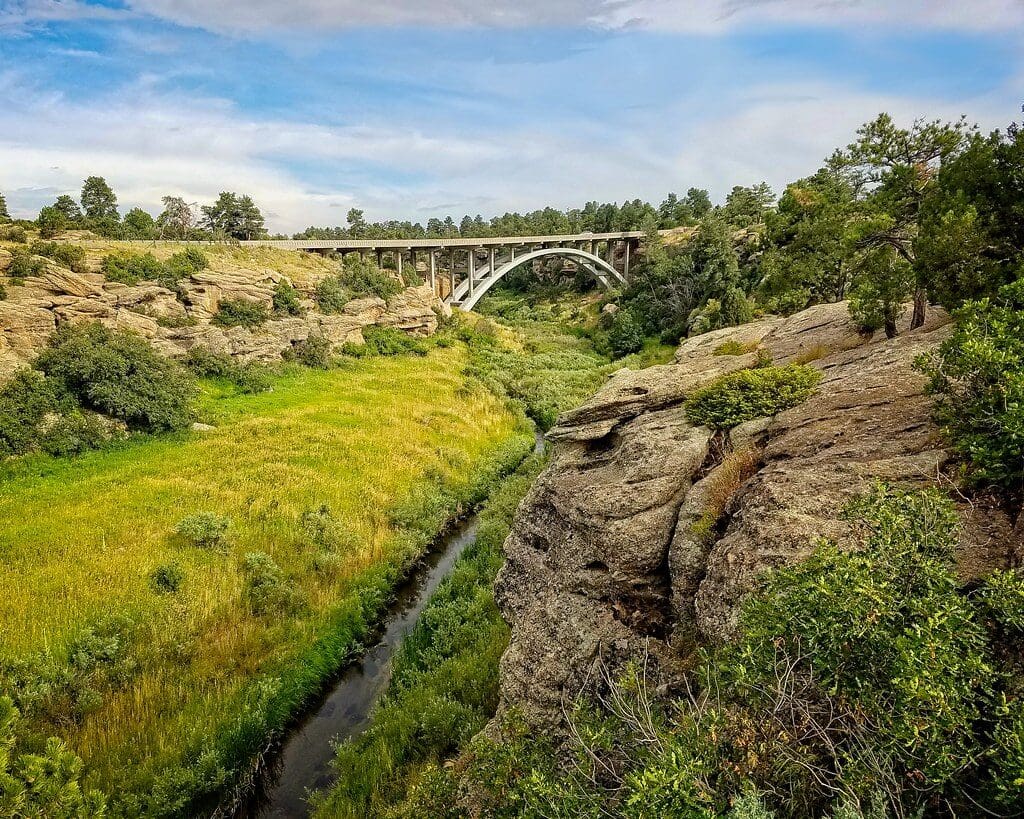
Castlewood Canyon State Park
Nearby Castlewood Canyon State Park protects more than 2,600 acres of Colorado’s Black Forest region, with approximately 12 miles of trails, rock-climbing opportunities, wildlife viewing, dramatic canyon scenery, and panoramic views toward the Front Range and Pikes Peak.
It is a very different setting from Boulder, but the appeal is familiar.
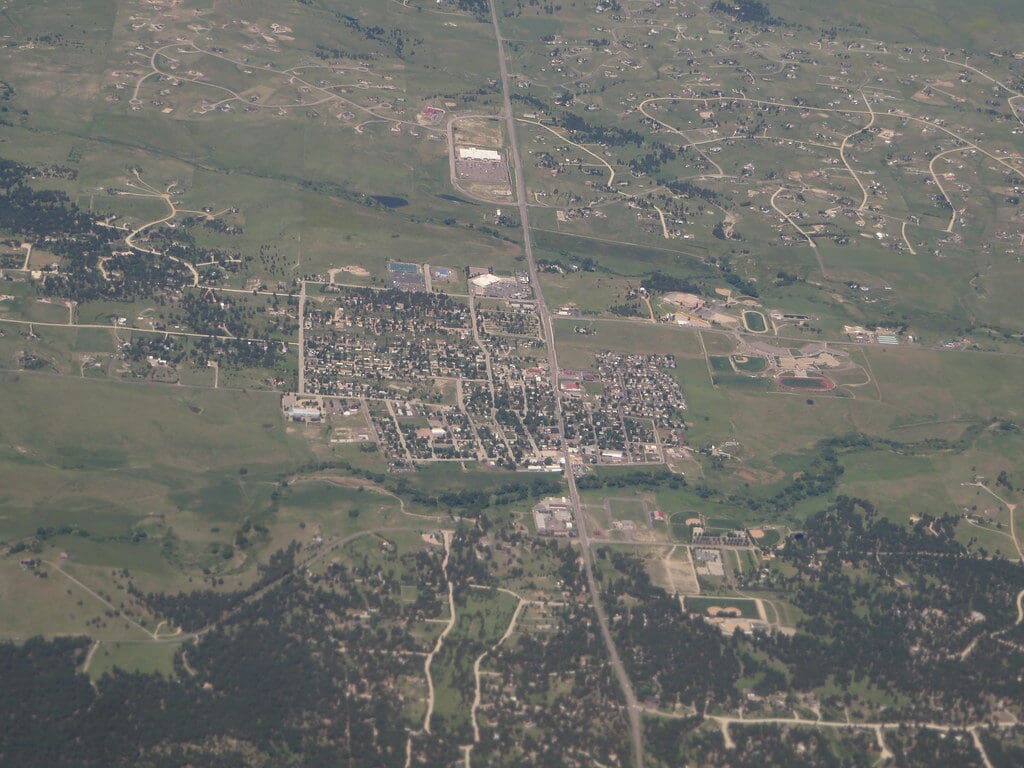
Elizabeth, Colorado
Why Boulder Readers Should Care
For Boulder-area readers, Elizabeth matters less as a potential moving destination than as a signal of where Colorado growth is heading.
Boulder has spent decades attracting people who want some combination of outdoor recreation, education, economic opportunity, community, and quality of life.
That demand hasn’t disappeared.
What has changed is the price of accessing it.
As housing costs have climbed across Boulder and neighboring communities, some buyers and families have expanded their searches farther from the traditional Boulder-Denver corridor. Remote and hybrid work have also made distance from major employment centers less restrictive for some workers.
People looking for larger properties, smaller communities, schools, and more breathing room suddenly have reasons to consider places that might once have seemed too far away.
Elizabeth is one example of that shift.
For readers who follow Colorado’s changing communities through AboutBoulder.com, it is another reminder that Boulder’s housing and growth story does not stop at the city limits. The same forces affecting Boulder are helping reshape communities across the Front Range and beyond.
Growth Is Reaching Beyond Colorado’s Famous Mountain Towns
Elizabeth’s appearance on the Outside list is particularly interesting because it isn’t Aspen, Vail, Breckenridge, or Telluride.
There are no famous ski slopes or internationally recognized resorts.
Instead, Elizabeth represents another version of Colorado living: a smaller community offering open space, proximity to outdoor recreation, and reasonable access to a major metropolitan area.
That may be exactly why its growth deserves attention.
For years, conversations about population growth in the Mountain West have focused heavily on celebrated recreation destinations. But the next wave may increasingly involve less-famous communities where people believe they can still find some combination of affordability, space, access, and quality of life.
Boulder Knows the Trade-Offs of Growth
Rapid growth is never without consequences.
More residents can mean greater pressure on roads, schools, infrastructure, water, housing, and other community resources. Growth can bring new businesses and opportunities while simultaneously changing the character that attracted people in the first place.
Boulder knows that tension better than most places.
The challenge is rarely whether people want to live in a desirable community. The harder question is how that community accommodates demand while preserving what made it desirable.
Elizabeth may face its own version of that challenge as its population continues to rise.
The Geography of the Colorado Dream Is Changing
Elizabeth’s growth ultimately tells a larger Colorado story.
People still want the outdoors. They still want community. They still want space, recreation, good schools, and a high quality of life.
But not everyone can — or wants to — absorb the cost and density that increasingly come with living in Colorado’s best-known communities.
So the map is expanding.
Towns that once sat outside the conversation are suddenly appearing on national fastest-growing lists.
Elizabeth, Colorado is one of them.
And for Boulder, that may be the most important takeaway of all:
People still want the Colorado lifestyle. The geography of where they can find it is changing.