
Your First Colorado 14er: A CU Buff’s Guide
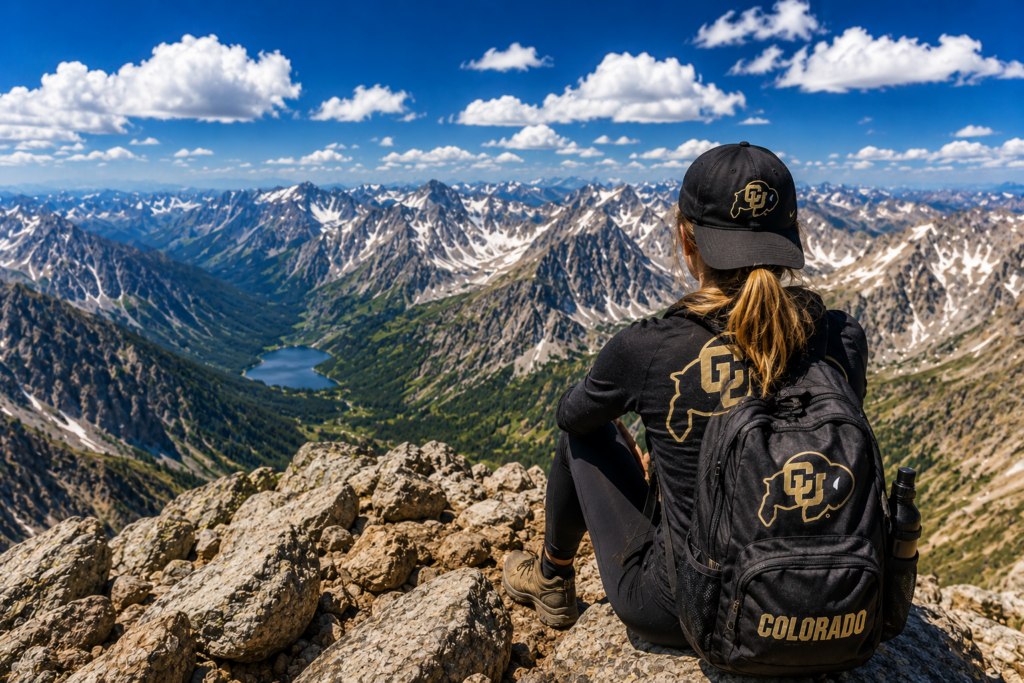
Standing on a Colorado summit above 14,000 feet is one of those experiences you never forget. The air is thin, the horizon seems endless, and for a few minutes everything below feels very far away.
For CU Boulder students, especially freshmen experiencing Colorado for the first time, climbing a fourteener can become one of those defining Buff experiences: a big goal, an unforgettable day with friends, and an introduction to just how powerful the Colorado high country can be.
Colorado is home to 58 named peaks above 14,000 feet, although 53 meet the traditional 300-foot prominence standard used to rank the state’s fourteeners. You don’t need to climb all of them. Start with one.
And choose that first one carefully.
Why Climbing a 14er Is Different
CU Boulder’s campus sits at roughly 5,400 feet, which gives students living in Boulder some opportunity to acclimate. But hiking above 13,000 and 14,000 feet is an entirely different experience.
The oxygen available to your body decreases substantially with altitude, and even strong runners and athletes can find themselves moving slowly near a summit.
That’s why there really isn’t an “easy” 14er.
There are more approachable routes, but every 14er deserves preparation and respect.
Training for one also teaches lessons that extend well beyond hiking: start early, prepare carefully, pace yourself, watch the conditions around you, and know when turning around is the smartest decision you can make.
Train in Boulder First
One of the advantages of being a Buff is having an extraordinary mountain training ground practically outside your door.
Before attempting a 14er, build up your hiking legs on Boulder classics such as Mount Sanitas, Green Mountain and Bear Peak. Longer hikes with sustained climbing are especially valuable.
A good benchmark is being comfortable hiking 6 to 8 miles with roughly 2,500 to 3,000 feet of elevation gain before attempting your first fourteener.
If you’ve just arrived in Boulder from sea level, don’t make a 14er your first Colorado hike. Give your body time to adjust and gradually work your way higher.
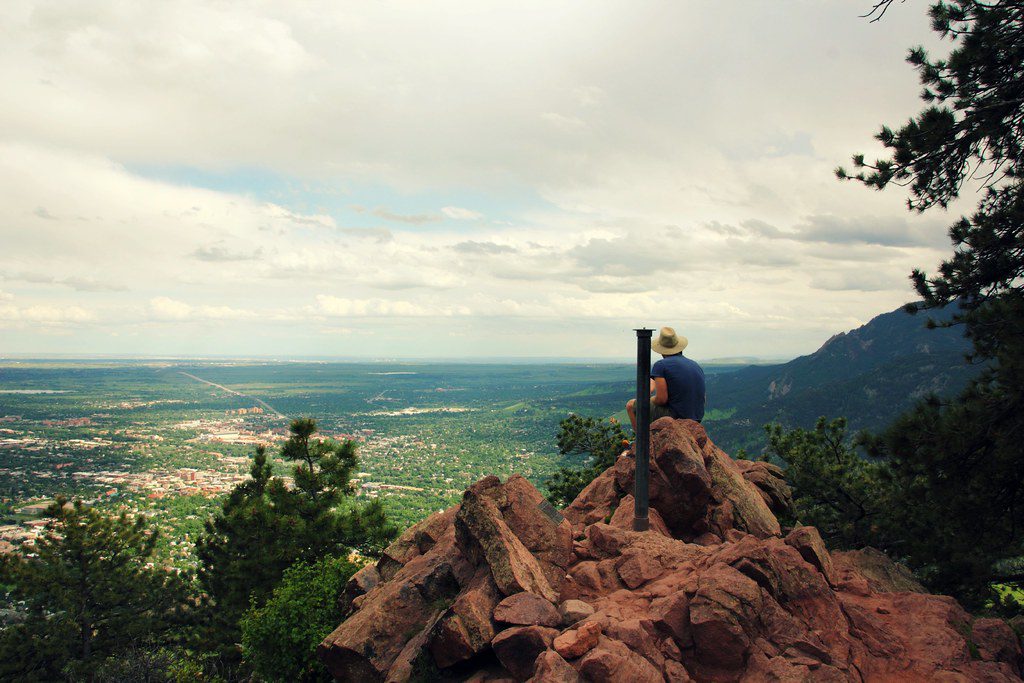
Views from Mount Sanitas, Boulder
What to Bring
Conditions can change remarkably quickly above treeline. A warm morning at the trailhead doesn’t mean it will be warm at 14,000 feet.
Bring plenty of water, electrolytes, calorie-dense food, sunscreen, sunglasses, rain protection, insulating layers, a hat and gloves, navigation, a headlamp and basic emergency supplies.
Before leaving, study your route and check current trail conditions on 14ers.com. Don’t rely solely on your phone having service once you’re in the mountains.
Most importantly, check the mountain weather forecast immediately before your trip.
The Colorado 14er Rule: Start Early
This may be the most important advice in the entire article.
Start early. Really early.
During Colorado’s summer thunderstorm season, lightning is a serious danger above treeline. The Colorado Fourteeners Initiative recommends an “alpine start” that allows hikers to be descending from the summit by noon.
For many routes, that means beginning before sunrise.
Don’t treat noon as a guarantee of safety. Storms can develop earlier. If clouds begin building rapidly, thunder is audible, or conditions are deteriorating, descend.
The summit will still be there another day.
Three Great First 14ers for CU Buffs
Mount Bierstadt — 14,066 Feet
Mount Bierstadt is one of Colorado’s classic introductory fourteeners and an excellent first choice from Boulder.
The standard West Slopes route begins at Guanella Pass at about 11,669 feet. According to 14ers.com, the hike is approximately 7.25 miles round trip with 2,850 feet of elevation gain.
It’s rated Class 2, primarily because the final summit section involves hiking and scrambling over rocks rather than remaining on a simple trail.
Bierstadt’s relatively high trailhead keeps the total elevation gain manageable by 14er standards, but don’t underestimate it. You’ll still be spending hours at high altitude.
On beautiful summer weekends, expect plenty of company. Starting very early helps with both weather and crowds.
Best for: A classic first Colorado 14er with a little scrambling at the finish.
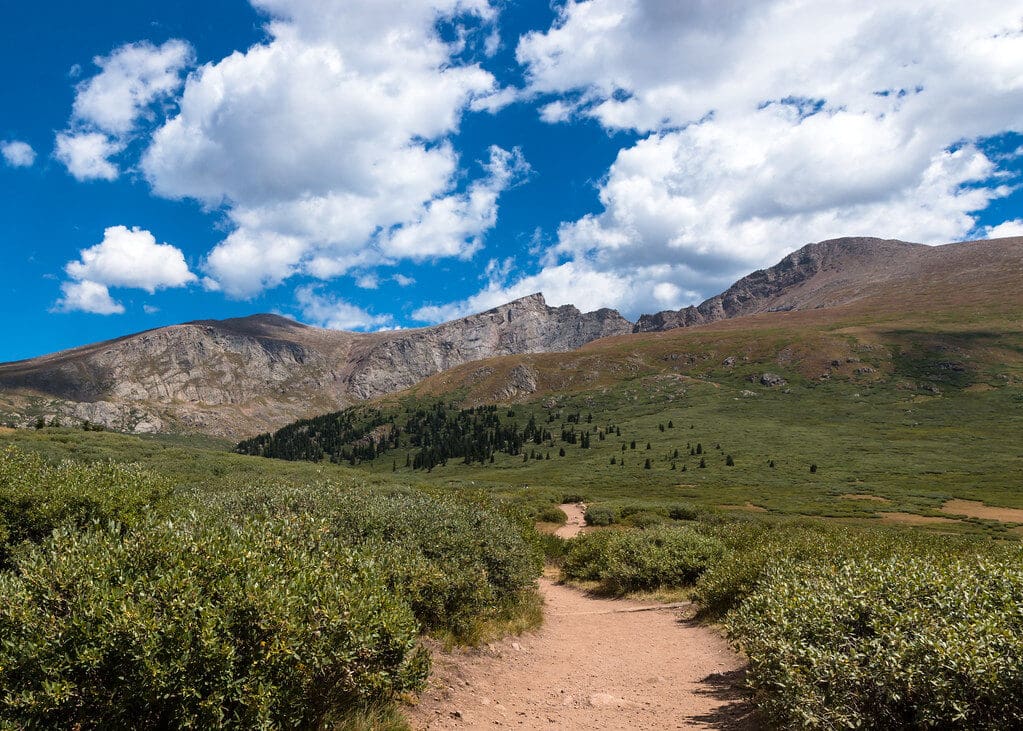
Path to Mount Bierstadt
Grays Peak — 14,275 Feet
For a first 14er, Grays Peak may be even more straightforward technically.
The standard North Slopes route is Class 1, covering approximately 7.5 miles round trip with 3,000 feet of elevation gain.
The trail begins around 11,280 feet and follows a well-established route toward the summit.
There’s one major catch: trailhead access and parking require planning.
The road to the upper trailhead can be rough and is better suited to vehicles with good clearance. The upper lot is small and fills extremely early. Current regulations prohibit parking along the road, meaning hikers who can’t find a legal spot may have to start much farther down.
Check current road and parking conditions before leaving Boulder.
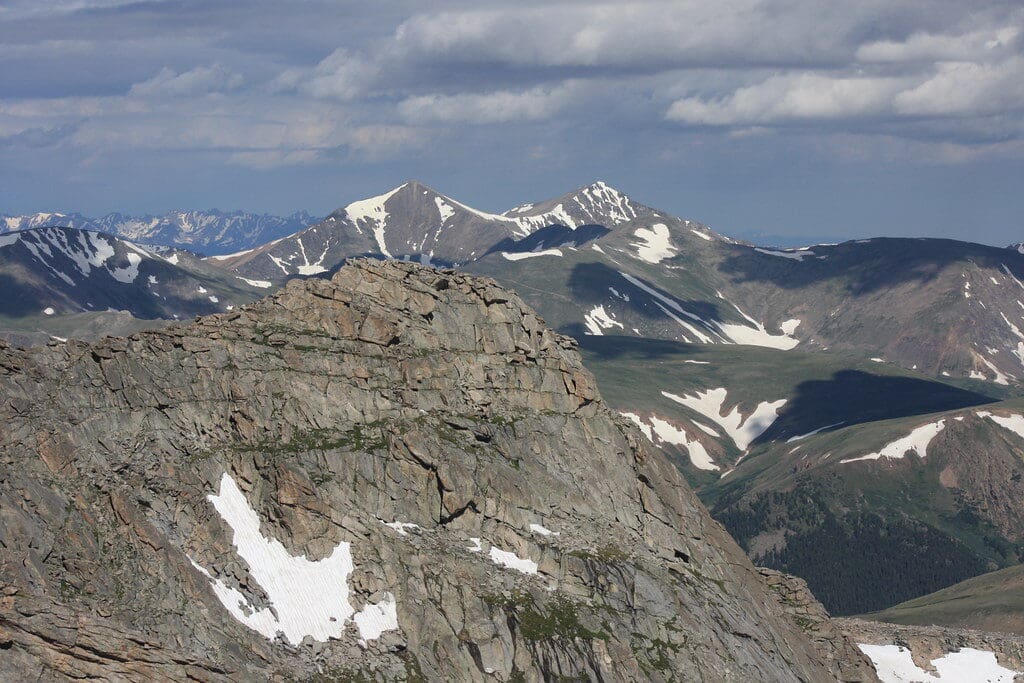
Grays Peak and Torreys Peak
What About Torreys Peak?
Torreys sits immediately beside Grays, making the pair one of Colorado’s most famous double-14er days.
The standard Grays-and-Torreys combination is approximately 8.25 miles round trip with about 3,600 feet of elevation gain and remains Class 1 on the standard route.
But there’s no reason your first 14er needs to become two.
Summit Grays, see how your body feels, evaluate the weather and save Torreys for another day if necessary.
Best for: A technically straightforward first summit with the possibility of adding a second peak once you have more experience.
Quandary Peak — 14,272 Feet
Near Breckenridge, Quandary Peak is another famous beginner-friendly fourteener.
Its standard East Ridge route is Class 1, approximately 6.75 miles round trip with 3,450 feet of elevation gain.
Don’t let the shorter mileage fool you. That elevation gain comes quickly, and the final push can feel relentless at altitude.
Quandary also requires more planning because of its popularity.
For the 2026 summer season, parking reservations are required at the Quandary trailhead from June 13 through September 13. A paid shuttle from Breckenridge is also available. Because access rules can change from year to year, always verify current requirements before your trip.
Best for: Buffs who want a clear Class 1 route and don’t mind arranging parking or shuttle transportation in advance.
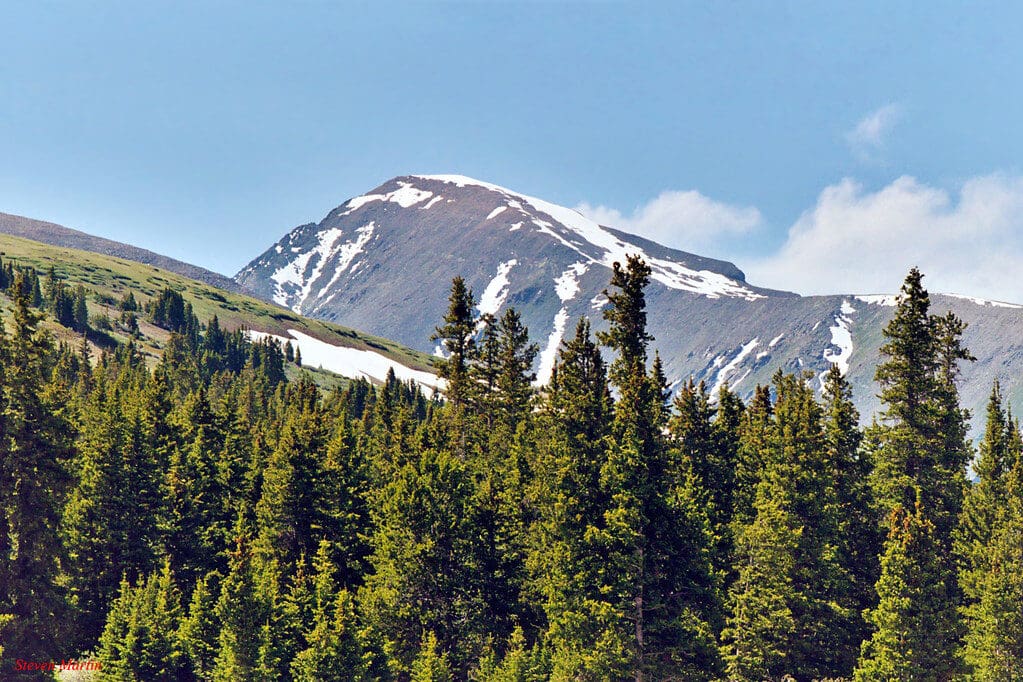
Quandary Peak from Hoosier Pass, Colorado
One More Option: Mount Sherman
If you’d rather venture farther from Boulder, Mount Sherman is another excellent introductory peak.
The standard Southwest Ridge is Class 1 and, when the upper road is accessible, is approximately 5.25 miles round trip with 2,100 feet of elevation gain.
The tradeoff is a longer drive and variable road access. As with every Colorado 14er, check current trailhead conditions before heading out.
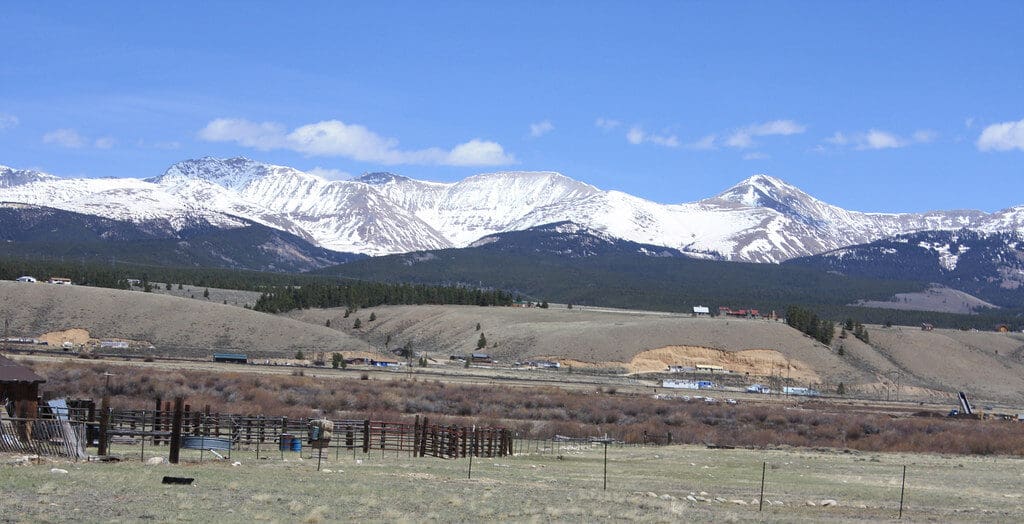
Mount Sherman and Mosquito Range, Leadville side
Know the Signs of Altitude Trouble
Altitude affects everyone differently, and being young or extremely fit doesn’t make you immune.
Headache, nausea, dizziness, unusual weakness or worsening fatigue should be taken seriously.
If symptoms are significant or getting worse, descend.
The Colorado Fourteeners Initiative emphasizes that descent is the best response to altitude sickness. A summit is never worth gambling with your health.
Protect the Mountains You Came to Experience
Above treeline, Colorado’s alpine environment is remarkably fragile.
Stay on durable trails and surfaces. Don’t cut switchbacks. Pack out everything you bring in. Give mountain goats, marmots and other wildlife plenty of space.
Following Leave No Trace principles isn’t just good hiking etiquette. It’s part of protecting these places for the thousands of people who will follow you up the trail.
Your First Summit Starts in Boulder
You don’t need to become a mountaineer to climb your first Colorado 14er.
Start with Sanitas. Work up to Green Mountain. Take on Bear Peak. Build your endurance. Find friends you trust—ideally someone with 14er experience—and choose a peak that matches the group’s abilities.
Then watch the forecast, pack carefully, set an alarm for an hour that seems completely unreasonable and head toward the mountains.
Maybe it’s Bierstadt.
Maybe it’s Grays.
Maybe it’s Quandary.
The specific mountain matters less than doing it safely and experiencing that moment when the climbing finally stops and Colorado opens up beneath you.
Four years at CU Boulder can go by remarkably fast.
Before they’re over, stand above 14,000 feet at least once.