Why Boulder Reservoir Is One of Colorado’s Best Lakes (And a Local Favorite for Dogs Too)
When people think of Colorado’s best lakes, they often picture remote alpine destinations tucked high in the mountains. While those lakes are undeniably beautiful, one of the state’s most enjoyable outdoor escapes sits just minutes from downtown Boulder. Boulder Reservoir, affectionately known as “the Rez” by locals, combines mountain scenery, a sandy swim beach, water sports, fishing, wildlife, and miles of scenic trails into one destination that people return to again and again.
Located about 10 to 15 minutes north of downtown Boulder, Boulder Reservoir covers approximately 700 surface acres when full. It offers something few lakes along Colorado’s Front Range can match—a place where visitors can actually swim, paddle, relax on the beach, and enjoy spectacular views of the Flatirons without driving deep into the mountains.
For many Boulder residents, it isn’t just a place to visit. It’s part of everyday life.
A True Colorado Beach Experience
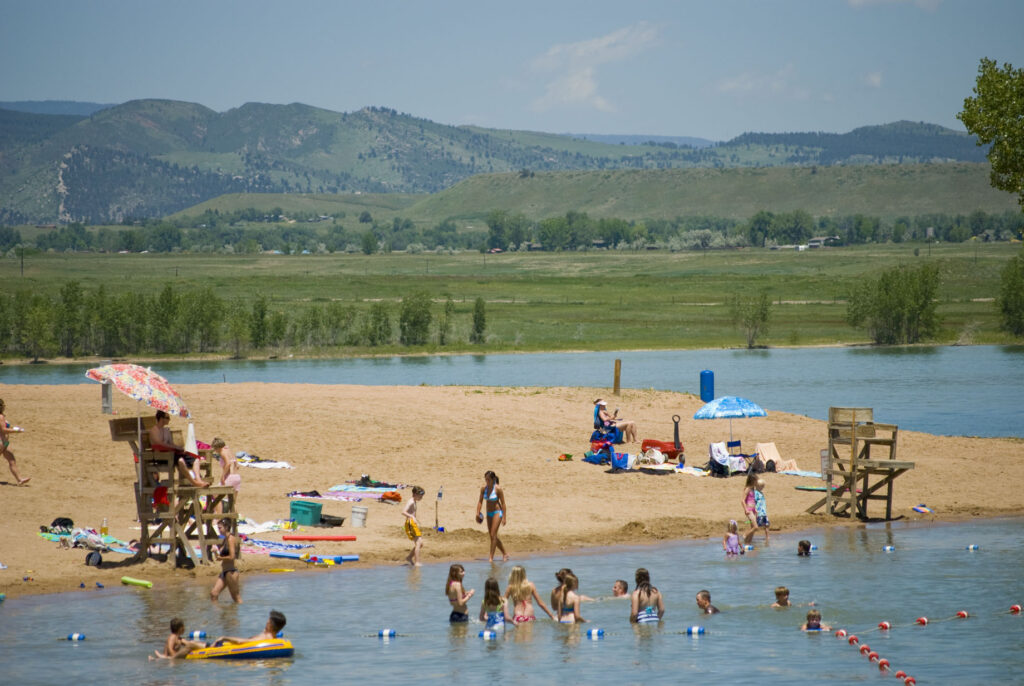
Unlike many reservoirs throughout Colorado that prohibit swimming, Boulder Reservoir welcomes visitors looking to cool off during the summer months. Its large sandy beach features lifeguards during the swimming season, a gradual shoreline that is ideal for families with children, floating swim platforms, and plenty of room to spread out with a towel and enjoy the sunshine.
The scenery makes the experience even more memorable. The iconic Flatirons create a dramatic backdrop across the water, giving visitors one of the most recognizable views anywhere along Colorado’s Front Range. Whether you’re swimming, paddleboarding, or simply relaxing on the beach, it’s difficult to find another lake that combines convenience with scenery quite like Boulder Reservoir.
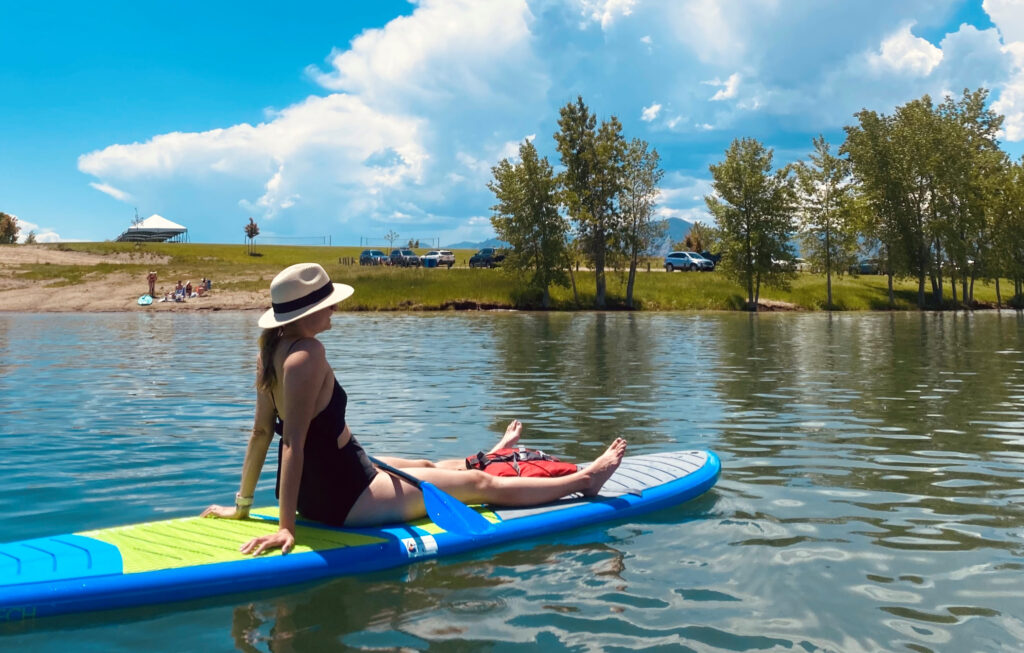
Early mornings are especially magical. Calm water reflects the surrounding mountains while paddleboarders and kayakers quietly explore the shoreline before the afternoon breezes arrive.
More Than Just a Lake
One reason Boulder Reservoir consistently ranks among Colorado’s favorite lakes is the variety of activities available throughout the year.
The paved and gravel loop around the reservoir stretches approximately five to five-and-a-half miles, making it a favorite destination for runners, walkers, cyclists, and photographers. Anglers regularly fish for walleye, largemouth bass, smallmouth bass, catfish, and stocked trout.
The reservoir also supports sailing, kayaking, canoeing, windsurfing, and paddleboarding, giving outdoor enthusiasts countless ways to enjoy the water.
Despite its popularity, the surrounding open space helps preserve a peaceful atmosphere. Visitors regularly spot osprey diving for fish, great blue herons along the shoreline, soaring hawks, prairie dogs, pelicans during migration, and a variety of waterfowl throughout the seasons.
An Important Source of Boulder’s Drinking Water
While Boulder Reservoir serves as one of the city’s premier recreation destinations, it also performs a vital role in the community.
The reservoir supplies approximately 20 percent of Boulder’s drinking water through the Boulder Feeder Canal, which is part of the Colorado-Big Thompson Project. Water storage and outdoor recreation coexist remarkably well, making Boulder Reservoir one of Colorado’s most successful examples of a multi-use reservoir.
It’s a place where families can spend the afternoon swimming while simultaneously serving an essential role in providing water for thousands of Boulder residents.
A Great Destination for Dog Owners
Boulder is known for its dog-friendly culture, and Boulder Reservoir offers excellent opportunities for visitors with four-legged companions—provided they understand the seasonal regulations.
From May 15 through Labor Day, dogs are not allowed through the reservoir gates or anywhere along the south shoreline, including the popular swim beach. These restrictions help maintain a safe environment for swimmers during the busiest months of the year.
Outside of that seasonal restriction, leashed dogs are welcome in permitted areas around the reservoir under standard leash and waste regulations.
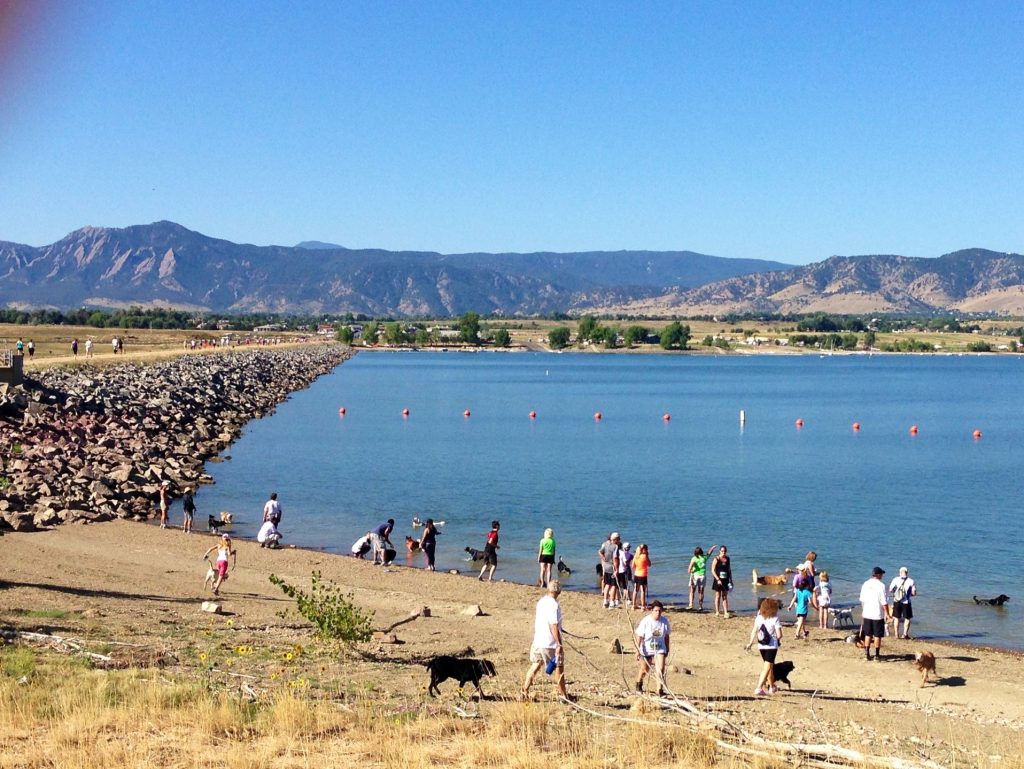
Just east of Boulder Reservoir sits one of the area’s hidden gems for dog owners—Coot Lake.
Coot Lake offers calm water, easy shoreline access, and designated areas where dogs enrolled in Boulder’s Voice and Sight Program may legally swim off leash along portions of the east and south shores. Many locals combine a morning walk around Boulder Reservoir with an off-leash swim at Coot Lake, creating one of Boulder’s best outdoor outings for both people and their pets.
As with any natural body of water, visitors should always check current City of Boulder advisories before allowing people or pets into the water, particularly during the warmer months when algae conditions can occasionally change.
A Rich History
Boulder Reservoir has served the community for more than seventy years.
Construction began on May 1, 1954, on land that had previously been part of the Axelson family dairy farm. The project was completed on February 11, 1955, at a cost of just over $1.15 million.
Only two months after the reservoir filled, workers delivered the first 75 tons of sand to create the swimming beach that continues to attract visitors today.
During the reservoir’s very first Fourth of July celebration in 1955, more than 1,400 vehicles paid just 25 cents each to enjoy picnicking and swimming—a remarkable indication of how quickly Boulder Reservoir became a community favorite.
Today, the reservoir holds approximately 13,270 acre-feet of water and typically reaches full capacity by early summer before gradually being drawn down later in the season.
Tips Before You Visit
If you’re planning a trip to Boulder Reservoir, a little preparation goes a long way.
Entry fees generally apply during the primary recreation season, typically from April through October. Hours, fees, and operating dates vary each year, so it’s worth checking current information before arriving.
Summer weekends are extremely popular, and parking lots often fill early. Visiting on weekday mornings provides a quieter experience and some of the calmest water conditions for paddling.
Anyone launching a kayak, paddleboard, canoe, or other watercraft must complete the City’s Aquatic Nuisance Species inspection process and obtain the required permits.
Glass containers are prohibited, and swimming is allowed only within designated areas when lifeguards are on duty.
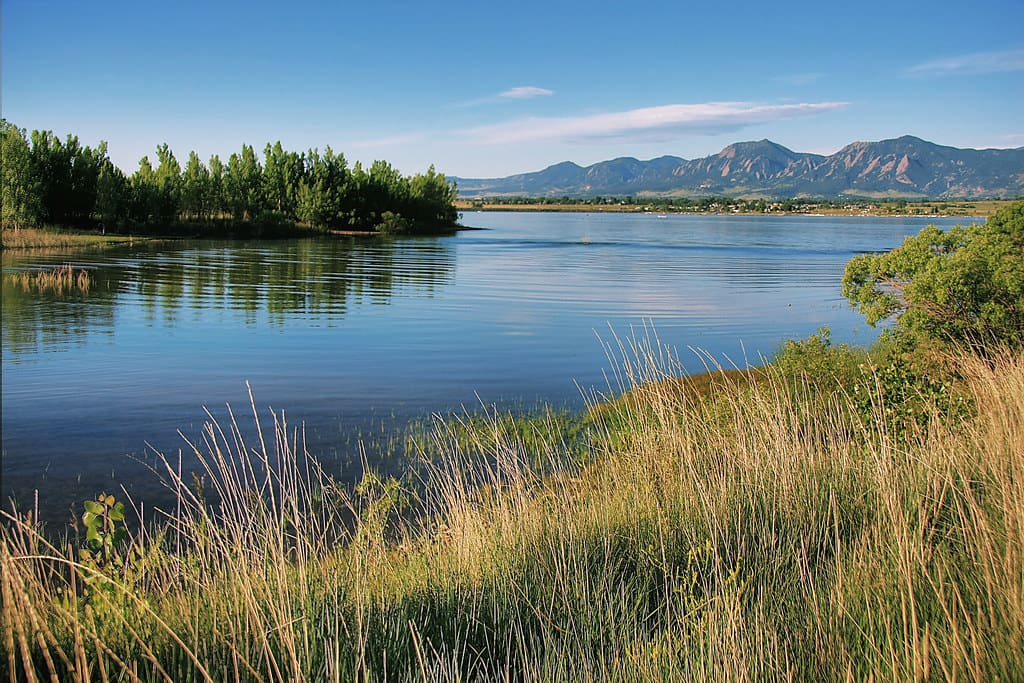
Boulder Reservoir
One of Boulder’s Greatest Outdoor Destinations
Boulder Reservoir isn’t trying to compete with Colorado’s remote alpine lakes—it offers something entirely different.
It provides a place where families can spend an afternoon at the beach, runners can enjoy scenic training loops, anglers can cast for trophy fish, paddlers can explore calm morning water, and nature lovers can experience incredible wildlife just minutes from downtown Boulder.
Its combination of accessibility, mountain scenery, outdoor recreation, and year-round community use has made Boulder Reservoir one of Colorado’s finest lakes and one of Boulder’s most treasured outdoor destinations.
Whether you’re visiting for the first time or returning for your hundredth sunset over the Flatirons, the Rez continues to remind visitors why some of Colorado’s best outdoor adventures are found close to home.