
Boulder Tornado Risk: Rare but Real in Colorado
Dramatic tornado outbreaks across the country often spark the same question along Colorado’s Front Range: could it happen here? In Boulder County, the answer is yes — but only rarely. Understanding why tornadoes are uncommon in the foothills, what history tells us, and how to stay prepared can turn uncertainty into confidence during storm season.
Boulder’s Tornado Risk: Low, But Not Zero
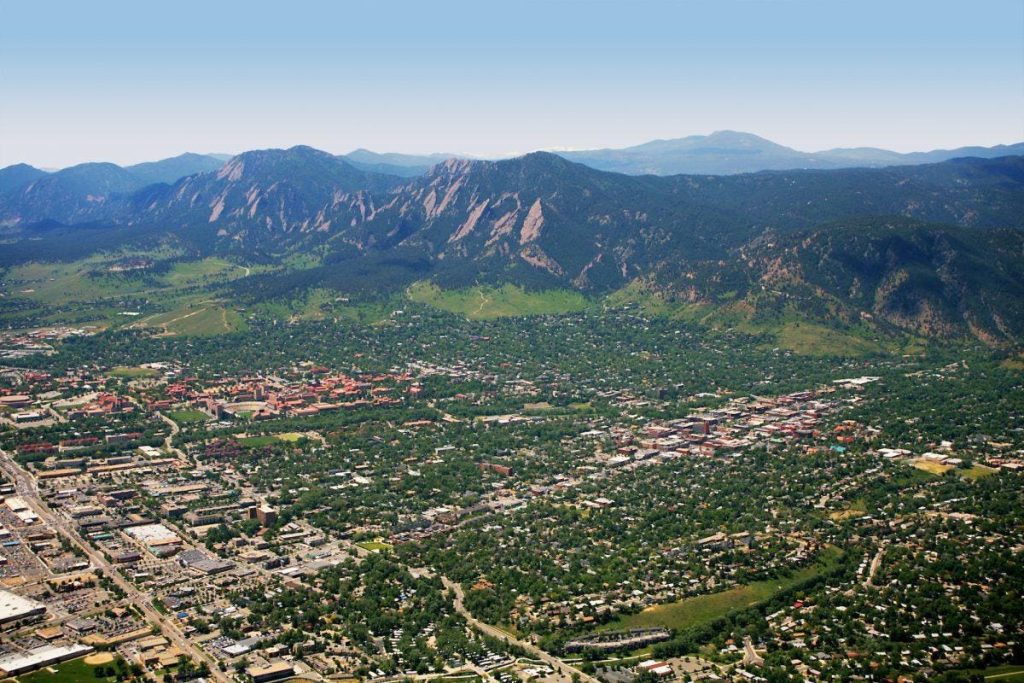
Boulder sits where the Rocky Mountains meet the High Plains, and that geography plays a major role in shaping severe weather.
Colorado averages about 40 to 50 tornadoes per year, with the vast majority occurring east of Interstate 25 on the open plains. Counties like Weld consistently rank among the most active in the country.
Boulder County tells a very different story. Since 1950, there have been only about 11 confirmed tornadoes, averaging roughly one every five years. Most have been weak, short-lived, and caused limited damage.
The takeaway is simple: tornadoes are not a routine threat in Boulder, but they are not impossible either.
A Look Back: Boulder’s Tornado History
Even with its low frequency of tornado activity, Boulder County has experienced a handful of notable events over the decades:
- 1953 and 1955: Early records from September 17, 1953, and May 12, 1955, show weak F1 tornadoes that caused minimal damage.
- June 6, 1997: A memorable F1 tornado touched down near Baseline Reservoir in east Boulder. It damaged a home (including part of the roof), nearby structures, recreational vehicles, a boat dock, and trees before briefly becoming a waterspout over the reservoir.
- June 4, 2015: The most significant event in modern history. An EF3 tornado formed near the Boulder–Larimer county line south of Berthoud and tracked west-northwest. It damaged 28 homes, destroyed three, and followed a rare westward path, yet caused no fatalities or serious injuries. This remains the strongest tornado on record in Boulder County.
- June 7, 2021: An EF1 landspout tornado touched down east of Longmont in southwest Weld County near Firestone and Platteville. Visible from the Longmont area along Colorado 119, it damaged several properties but caused no fatalities.
Across all documented events in Boulder County, no deaths have been recorded from tornadoes, reinforcing how rare and typically manageable these storms have been locally.
Why Tornadoes Are Rare in Boulder
Tornado formation requires three main ingredients:
- Warm, moist air
- Atmospheric instability
- Wind shear (changing winds with height)
These conditions are strongest over the eastern plains, not in the foothills.
Boulder’s proximity to the mountains disrupts storm structure. As storms move west, terrain often weakens the organized rotation needed for tornado formation.
There is one exception worth noting: the Denver Convergence Vorticity Zone (DCVZ). This localized boundary can create spin in the atmosphere and occasionally produce weaker tornadoes, often called landspouts, closer to the Front Range.
Even with this setup, tornado intensity in Boulder remains far lower than on the plains.
Seasonal Timing: When to Pay Attention
Colorado’s tornado season typically runs from May through August, with peak activity in June.
The most likely timing is:
- Late afternoon
- Early evening
This is when daytime heating fuels thunderstorms rolling off the mountains.
While national outbreaks may dominate headlines, Boulder’s actual risk during these periods remains relatively low.
What This Means for Life in Boulder
Boulder offers one of the lowest tornado risks in the state. The mountains provide a natural buffer, and history shows that even stronger storms have resulted in limited impacts locally.
Still, severe weather awareness is part of living along the Front Range. Thunderstorms here can also bring:
- Large hail
- Strong winds
- Flash flooding
A tornado, even a weak one, can still cause damage to roofs, vehicles, and trees.
Preparedness is not about fear. It is about being ready.
Simple Preparedness Tips That Make a Difference
Know Your Safe Place
Identify an interior room on the lowest level of your home, away from windows. Basements are ideal, but if unavailable, choose a small interior space.
Stay Informed
Follow updates from the National Weather Service, especially the NWS Boulder office. Enable emergency alerts on your phone.
Act Quickly During Warnings
If a tornado warning is issued, move to your safe location immediately. Protect your head and neck.
Build a Basic Emergency Kit
Include water, food, flashlight, batteries, medications, and important documents.
Think Ahead
Review insurance coverage and stay aware of changing weather conditions during spring and summer.
A Grounded Perspective for Boulder Residents
The numbers tell a reassuring story. Tornadoes in Boulder County are rare, usually weak, and have not caused fatalities in recorded history.
But the 2015 EF3 event serves as a reminder that unusual storms can happen.
Preparedness does not take much time, but it can make all the difference.
Final Thoughts: Stay Aware, Not Alarmed
Living in Boulder means enjoying incredible scenery alongside dynamic weather. Most days bring sunshine, mountain views, and afternoon breezes. Occasionally, storms remind us of nature’s power.
Tornadoes fall into that category — rare, but real.
Take a few minutes this week to:
- Identify your safe space
- Check your alerts
- Review your emergency kit
Then get back to enjoying everything that makes Boulder special.
Awareness creates confidence. And in Colorado, that mindset goes a long way.