Health and Fitness Trends Shaping Boulder Colorado in 2026
Boulder has always treated health as a way of life, but in 2026 that mindset has matured into something more intentional, data-aware, and deeply personal. Fitness here is no longer about chasing extremes. It’s about longevity, mobility, and feeling good in everyday movement—from trailheads to town.
Movement First, Metrics Second
The biggest shift in Boulder fitness culture is the move away from ego-driven performance and toward functional movement. Strength training still matters, but it’s now paired with mobility, balance, and joint health. People want bodies that work well on hikes, bikes, skis, and long walks—not just in the gym.
Wearables are still common, but they’re used as guides, not dictators. Heart rate variability, sleep quality, and recovery readiness are prioritized over calorie burn. The goal isn’t more strain; it’s smarter strain.
Outdoor Fitness Becomes the Default
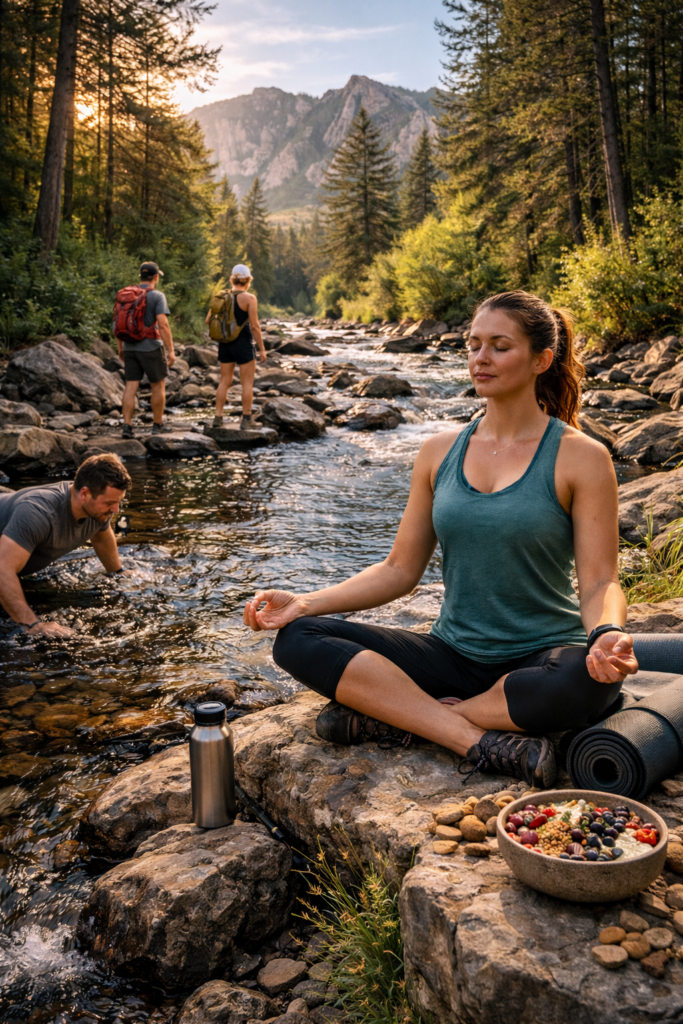
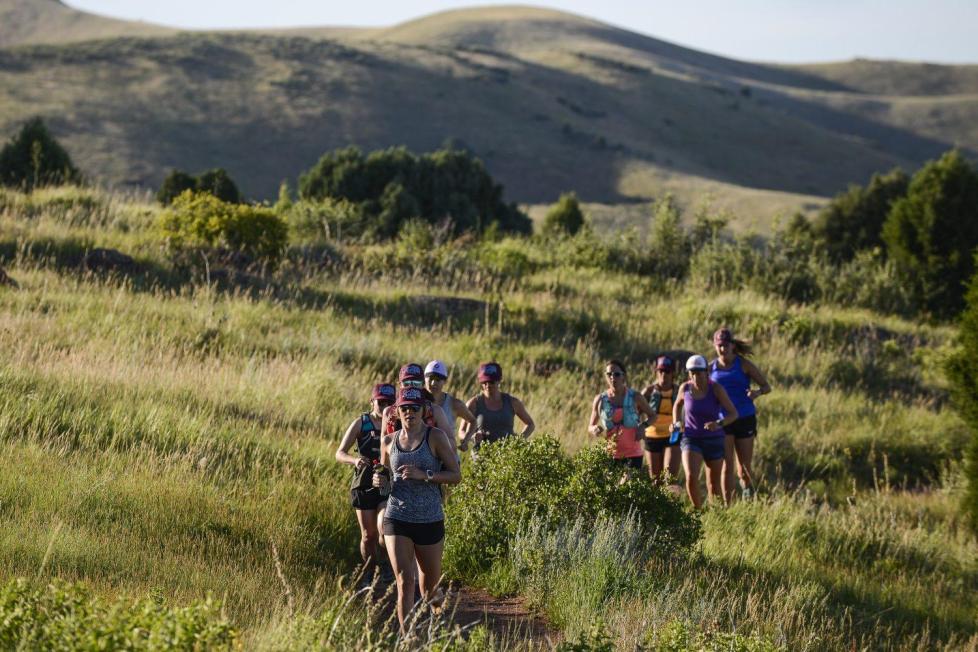
Gyms remain popular, but Boulder’s real training ground is outdoors. Trail running, weighted hiking, winter sun walks, and year-round cycling have become staples rather than seasonal hobbies. Even strength routines are being adapted for parks and open spaces, blending resistance work with fresh air and elevation.
Public access to open space continues to support this lifestyle through well-maintained trails, multi-use paths, and recreation infrastructure that encourages daily movement rather than occasional workouts. The city’s long-standing commitment to outdoor access plays a quiet but powerful role in keeping residents active without forcing it.
Recovery Is Non-Negotiable
In 2026, recovery is no longer optional—it’s programmed. Sauna use, cold exposure, massage therapy, and breathwork are mainstream tools, not fringe trends. Boulder athletes and everyday movers alike understand that progress happens between sessions, not just during them.
Sleep optimization has become a central pillar of fitness. Evening routines, light exposure management, and nervous system regulation are discussed as casually as lifting technique once was. Recovery isn’t indulgence here; it’s responsibility.
Nutrition Shifts Toward Clean and Intentional
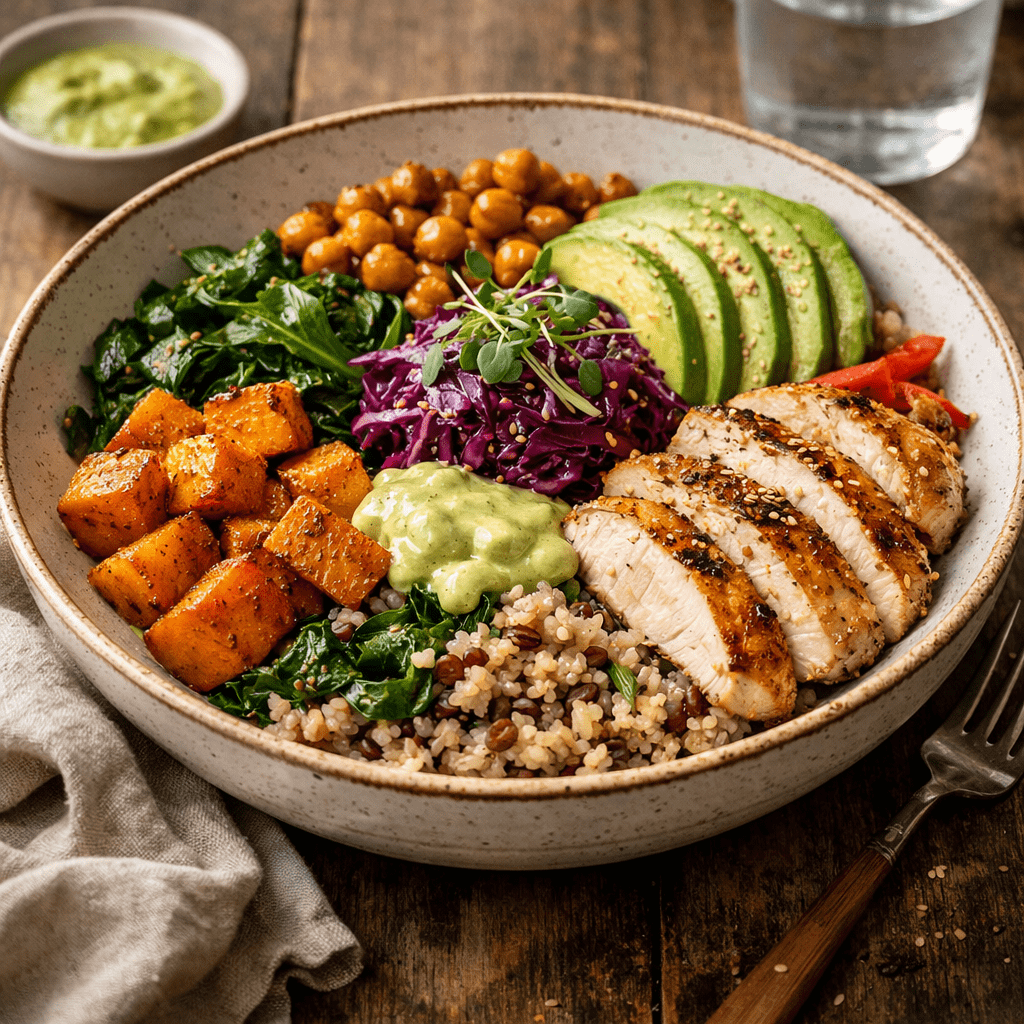
Food culture continues to evolve alongside fitness. There’s less obsession with extremes and more focus on ingredient quality, digestive health, and steady energy. Ultra-processed foods are increasingly avoided in favor of simple, recognizable ingredients that support active lifestyles.
Protein intake remains important, but the conversation has widened to include micronutrients, mineral balance, and hydration strategies that actually support movement in a dry, high-altitude environment. People are eating to feel good on the trail tomorrow, not just to hit numbers today.
Mental Fitness Takes Center Stage
Boulder’s definition of fitness now includes mental resilience. Practices like meditation, mindful walking, and nervous system training are treated with the same seriousness as physical workouts. Stress management is viewed as a performance enhancer, not a soft skill.
This shift reflects a broader understanding that health isn’t just physical capacity—it’s emotional regulation, presence, and the ability to recover from life’s pressure without breaking down.
Community Over Competition
Perhaps the most defining trend of 2026 is the emphasis on community. Group hikes, informal movement meetups, and inclusive fitness spaces are thriving. Boulder residents are choosing consistency over intensity, connection over comparison.
The result is a fitness culture that feels welcoming rather than intimidating. Beginners and longtime athletes coexist, bonded by shared values rather than performance rankings.
Longevity as the North Star
Everything in Boulder’s health and fitness world now points toward longevity. Programs are designed to support strong hips at 70, stable knees at 80, and curiosity at every age. Training is about staying capable, independent, and joyful for decades.
Guidance around physical activity continues to align with nationally recognized standards while being adapted to Boulder’s unique environment and culture, reinforcing that sustainable movement is the foundation of lifelong health.
The Boulder Difference
What sets Boulder apart in 2026 isn’t a single trend—it’s the integration of many. Outdoor access, thoughtful recovery, intentional nutrition, and mental fitness are woven into daily life rather than treated as separate goals.
This balanced approach reflects a city that understands health isn’t about doing more. It’s about doing what lasts.
For a deeper look at how local spaces support year-round movement, Boulder’s recreation framework provides helpful context through its publicly available resources City of Boulder Parks and Recreation. Broader guidance on sustainable physical activity continues to reinforce these values at a national level through trusted health authorities like the Centers for Disease Control and Prevention, while local storytelling keeps the conversation grounded in everyday life through perspectives found here.
In 2026, Boulder isn’t chasing the next fitness craze. It’s refining a lifestyle—one step, breath, and trail at a time.