
Why Boulder Quietly Walked Away From Sugar
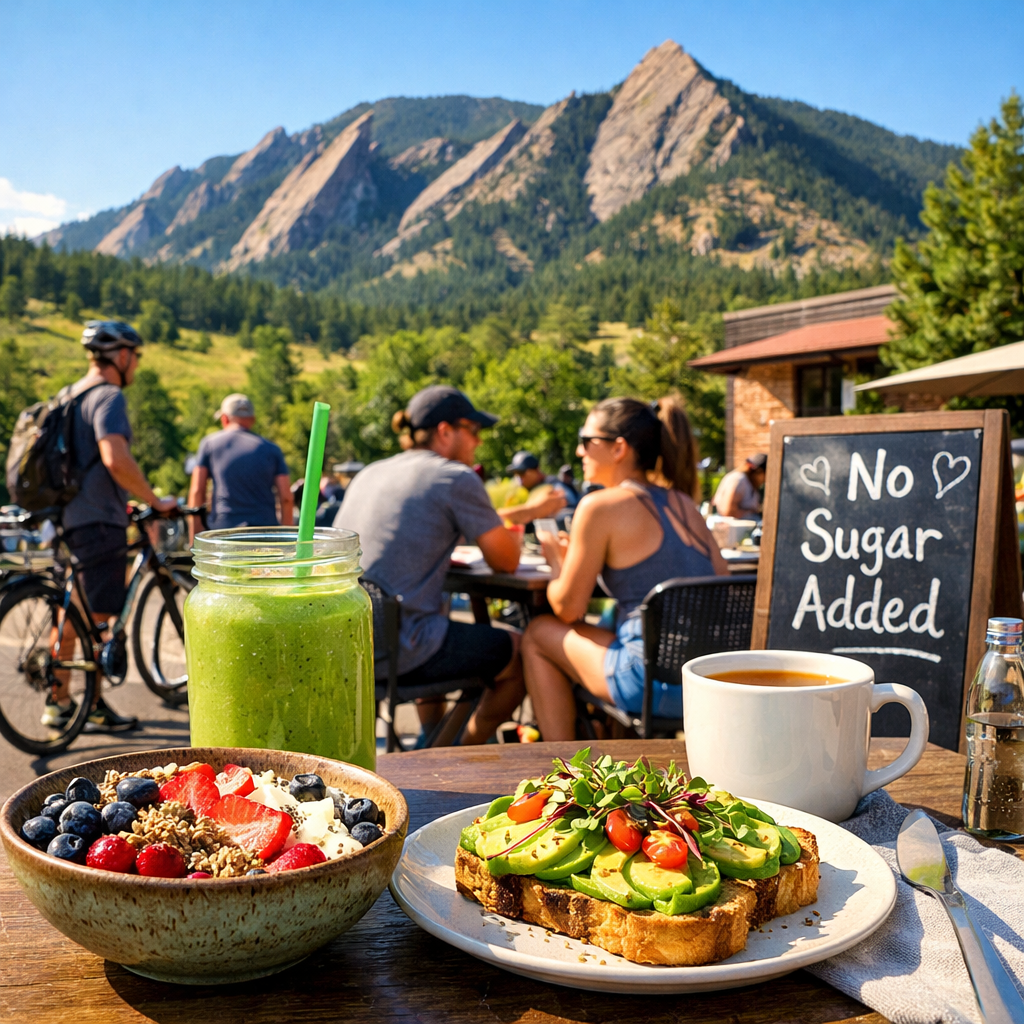
Boulder didn’t make a big announcement about sugar. There were no dramatic headlines or loud campaigns. Instead, something quieter happened. Over time, menus shifted, habits evolved, and the culture simply moved in a different direction.
Today, if you look around Boulder — from neighborhood cafés to trailhead snack bags — the change is obvious. Sugary sodas feel out of place. Heavy desserts feel occasional. What replaced them says a lot about who Boulder is now.
A Lifestyle Built Around Energy
Boulder has always moved differently than most cities. Mornings start early here, often before sunrise, with runners on the Creek Path, cyclists heading toward the foothills, and hikers climbing toward first light at Chautauqua. That rhythm shapes how people eat.
Quick energy spikes don’t work well in a town that runs on endurance. Over time, many locals began shifting toward foods that sustain movement rather than interrupt it. Protein-forward meals, whole grains, fruit-based snacks, and balanced nutrition naturally started replacing sugar-heavy options.
It wasn’t forced. It simply made sense.
Restaurants Followed the Crowd
As Boulder’s habits evolved, restaurants quietly adapted. More menus began highlighting whole ingredients, plant-forward dishes, and low-sugar options. Smoothie bowls, superfood blends, and lighter meals became everyday staples rather than niche offerings.

You can see it across town. Coffee shops now offer more unsweetened alternatives. Juice bars lean into natural flavors instead of syrups. Even bakeries focus more on quality ingredients and smaller portions rather than excess sweetness.
Restaurants didn’t lead the shift. Boulder diners did.
Policy Played a Background Role
In 2016, Boulder voters approved a soda tax aimed at reducing sugary drink consumption and supporting public health efforts. While it didn’t dominate daily conversation, it added momentum to an already changing mindset.
Over time, fewer sugary beverages appeared on tables. More people reached for sparkling water, unsweetened tea, or coffee. The change happened gradually enough that most people barely noticed.
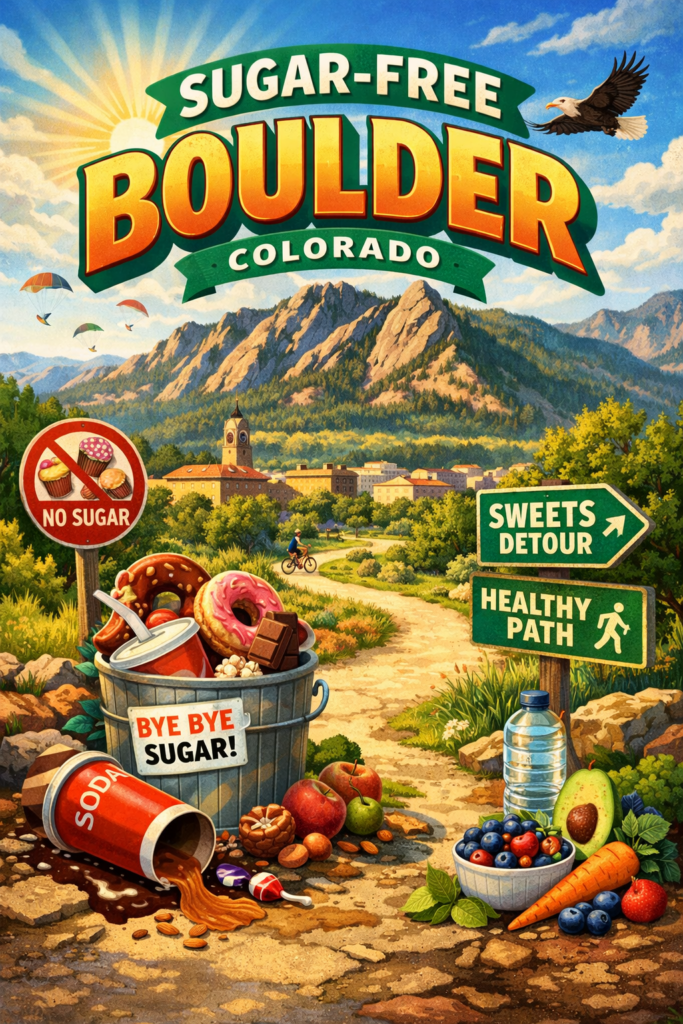
Health Awareness Became Cultural
Boulder has long embraced prevention rather than reaction. Conversations about nutrition, energy, and long-term wellness are common here — at gyms, farmers markets, trailheads, and workplaces.
Parents became more conscious of what kids were drinking. Schools and community organizations encouraged healthier options. Restaurants slowly reduced sugary beverages on children’s menus. What began as awareness eventually became habit.
A Different Kind of Indulgence
None of this means Boulder gave up sweets entirely. It just changed the relationship with them.
Desserts here often feel intentional rather than automatic. Locals still enjoy ice cream after long hikes or pastries on relaxed mornings, but those moments feel earned, not routine. The shift reflects balance rather than restriction.
The Real Reason
More than anything, Boulder walked away from sugar because its identity evolved. This is a city built around movement, nature, and clarity. People want to feel good climbing Green Mountain, cycling Left Hand Canyon, or simply staying sharp during long creative days.
Heavy sugar doesn’t support that lifestyle. Clean energy does.
The Quietest Shift of All
No one declared the end of sugar in Boulder. There was no official turning point. It happened slowly, naturally, and almost invisibly — one habit at a time.
And that may be the most Boulder thing about it.