Will You See an Elk in Boulder, Colorado? What Every Visitor Needs to Know

If you’re visiting Boulder and wondering whether you might spot an elk, you’re not alone. It’s one of the most common wildlife questions visitors ask.
The honest answer is: yes, elk do live in Boulder County — but seeing one depends on where you go, when you go, and how quietly you move through the landscape.
Boulder sits where the Great Plains rise suddenly into the Rocky Mountain foothills, creating prime habitat for deer, bears, mountain lions, raptors, and elk. Unlike the famous elk of Estes Park, which are often seen near roads, golf courses, and hotels, Boulder’s elk tend to be wilder and more wary of people. That makes spotting one feel less like a tourist stop and more like a true Colorado wildlife moment.
Where to Look for Elk Near Boulder
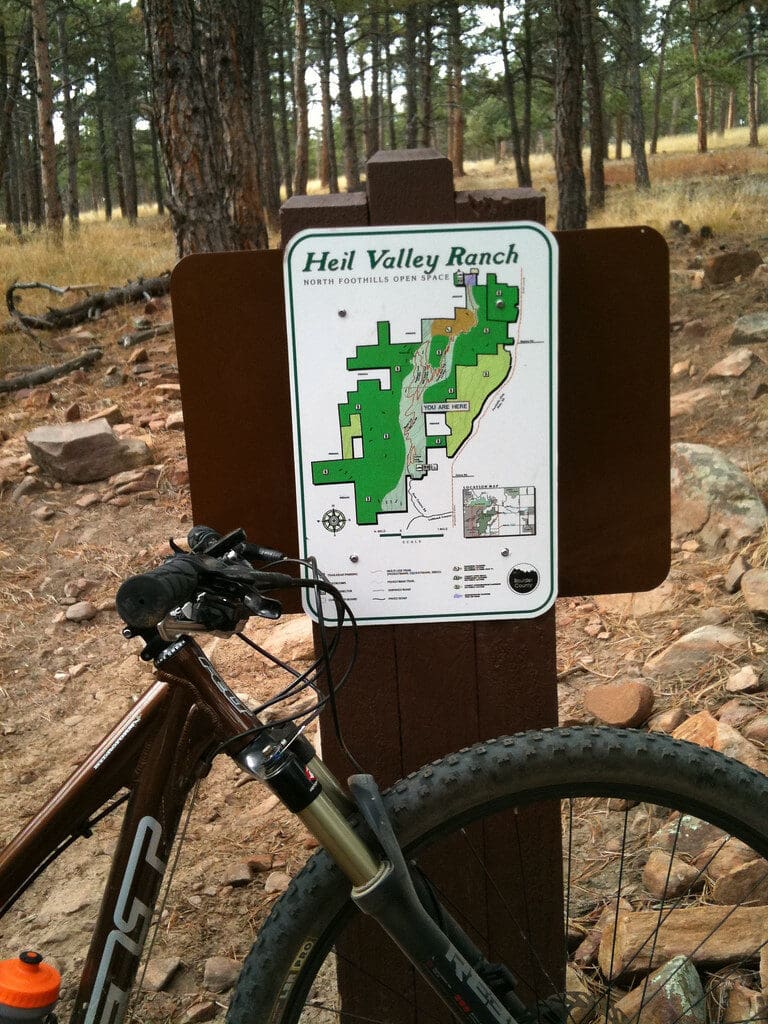
One of the best places to understand Boulder’s elk story is Heil Valley Ranch, north of Boulder off Highway 36. This open space area is part of important foothills habitat used by elk, especially during winter and seasonal movement.
The Lichen Loop at Heil Valley Ranch is a short, approachable trail and a good place to keep your eyes open for wildlife signs. Even if you don’t see elk, the landscape gives you a strong sense of why they thrive here: open meadows, foothills, forest edges, and quiet space away from heavy city activity.
Another major elk area is Ron Stewart Preserve at Rabbit Mountain, along with nearby foothills and agricultural lands. The Rabbit Mountain elk herd became large enough that Boulder County developed an elk and vegetation management plan to protect habitat, reduce conflicts, and keep the herd at sustainable numbers.
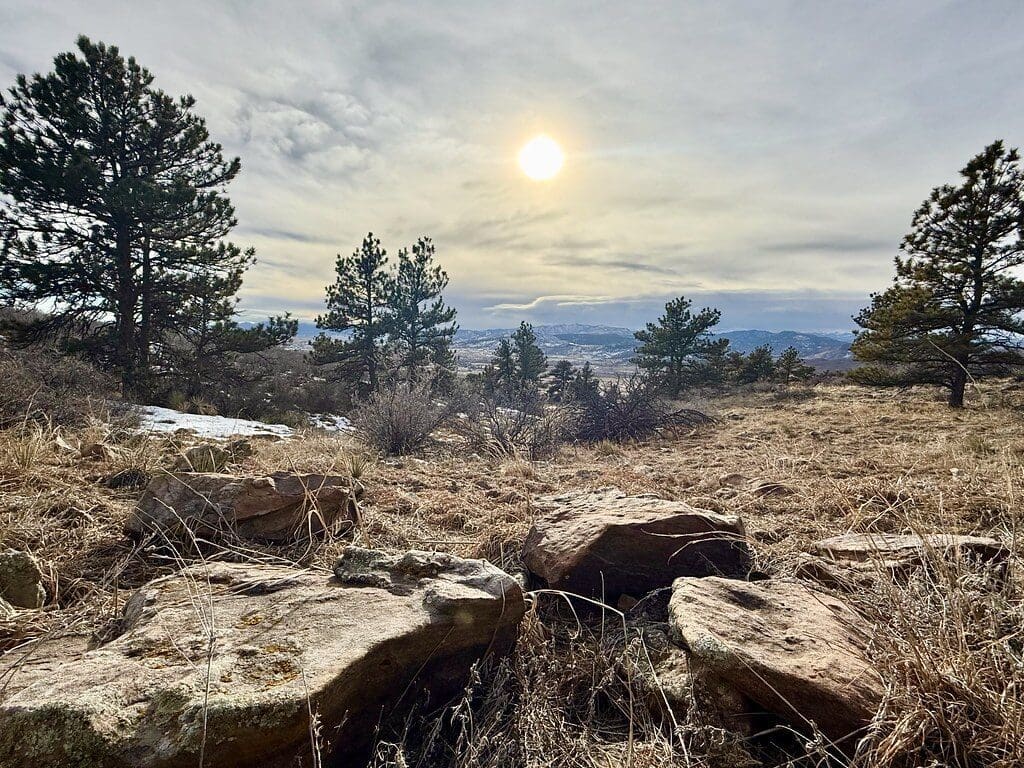
Rabbit Mountain Open Space
You may also occasionally hear reports of elk near foothill open spaces, canyons, and mountain-edge areas west and north of town. But visitors should not expect elk to wander through Pearl Street Mall or downtown Boulder. For your best chance, look north of Boulder, toward the foothills and open space areas where elk have room to move.
Best Times to Spot Elk
The best times to look are early morning and late afternoon, when elk are more likely to be active and feeding.
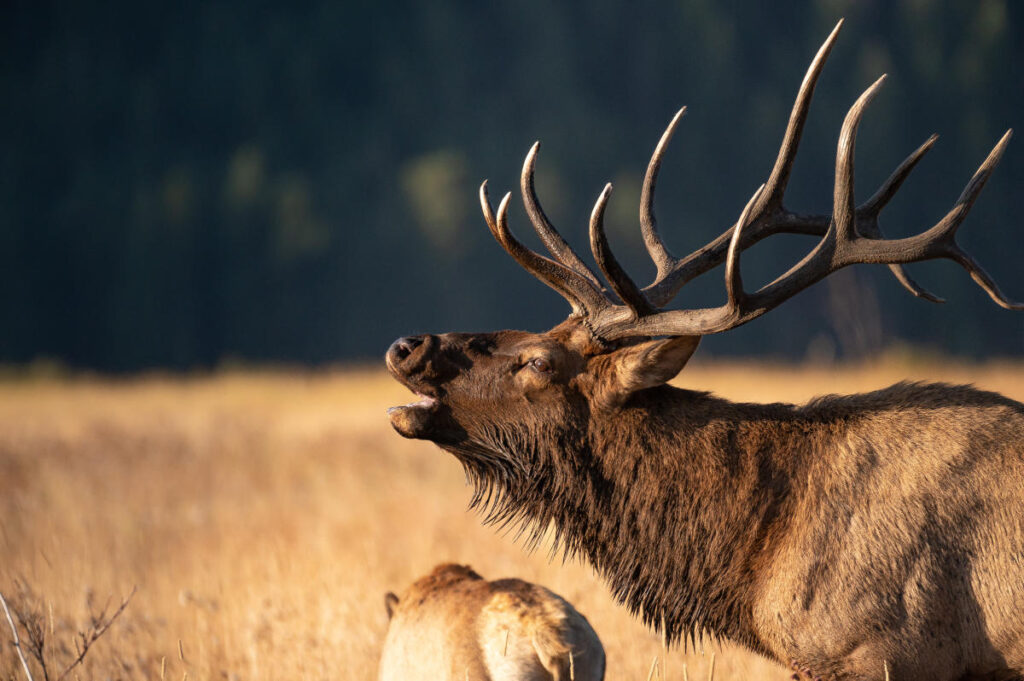
Fall is the most dramatic season. September and October bring the elk rut, when bull elk compete for mates and may bugle across valleys and meadows. That eerie, high-pitched call is one of the most unforgettable sounds in Colorado.
Winter can also be a good season for viewing from a distance. Elk often move lower in elevation when snow covers higher terrain, using foothill meadows and south-facing slopes where food is easier to reach.
Spring and early summer are sensitive times. Elk cows may be calving, and mothers can become highly protective. Give all wildlife extra space during this period.
A Boulder Wildlife Comeback Story
Elk were once far less common in Colorado than they are today. By the early 1900s, Colorado’s elk population had been heavily reduced by overhunting and habitat loss. Reintroduction and conservation efforts helped bring elk back, and Colorado now has one of the strongest elk populations in the country.
Boulder County’s elk are part of that larger comeback story. The North Boulder herd is especially meaningful because these animals still behave like wild elk. They move through protected habitat, avoid heavy human activity, and remind visitors that Boulder’s open space system is more than recreation — it is living wildlife habitat.
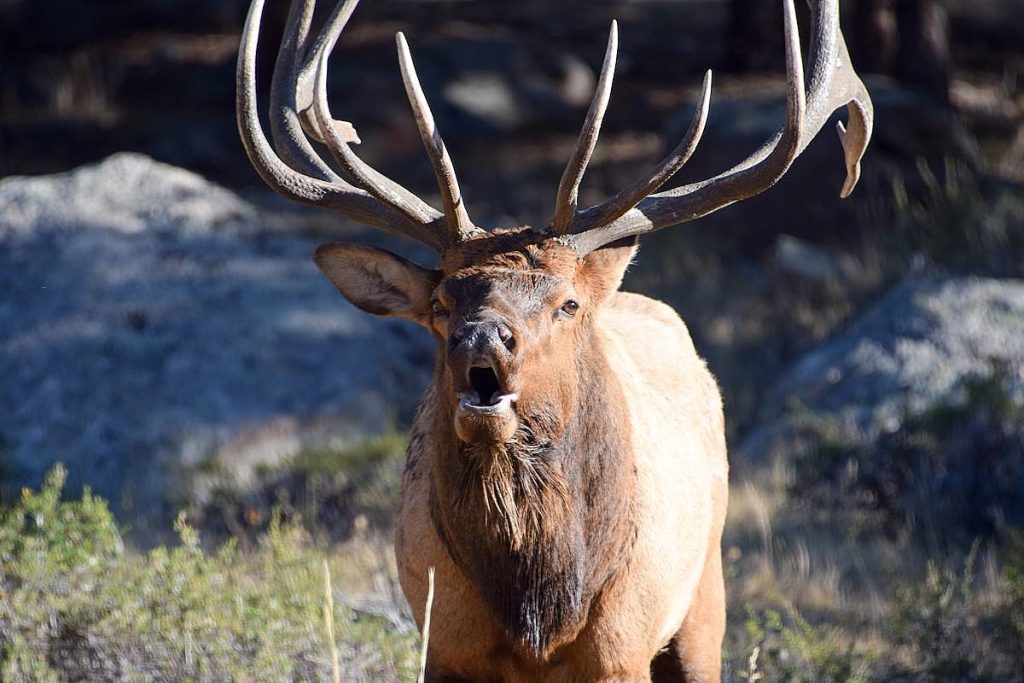
Elk Safety: Admire, Don’t Approach
Seeing an elk can be thrilling, but safety comes first.
Stay at least 75 feet, or about two school bus lengths, away from elk at all times. Use binoculars or a zoom lens instead of moving closer for a photo.
Never feed elk or any big game animal. Feeding wildlife is illegal in Colorado and can make animals less fearful of people, which creates dangerous situations for both humans and wildlife.
If an elk raises its head, stares at you, changes direction, or moves away, you are too close. Back up slowly and give the animal room to leave. Never block a trail, road, or escape route.
Be especially cautious during the fall rut, when bull elk can be unpredictable, and during spring calving season, when cows may defend their calves aggressively.
Quick Tips for Elk Viewing Near Boulder
Go early in the morning or late in the afternoon.
Bring binoculars.
Move quietly and avoid crowding wildlife.
Keep dogs leashed where allowed, and remember that some open space areas prohibit dogs entirely to protect wildlife.
Drive slowly on rural roads, especially at dawn and dusk.
Respect seasonal closures and posted signs.
The Bottom Line
So, will you see an elk in Boulder?
Maybe — and that’s part of the magic.
Boulder is not Estes Park, where elk sightings can feel almost guaranteed. Boulder’s elk are more elusive, more cautious, and more deeply tied to the foothills. But for visitors and locals who know where to look, seeing one is a powerful reminder that true wildness still exists right on the edge of town.
In Boulder, elk are not just a photo opportunity. They are a symbol of conservation, open space, and the wild Colorado landscape that begins just beyond the city.