Boulder Heat Wave Returns: Near 100° This Weekend
Another blast of dangerous summer heat is headed for Boulder.
The National Weather Service has issued a Heat Advisory for much of Colorado’s Front Range urban corridor, including Boulder, as temperatures climb toward the century mark this weekend. Forecasts call for highs in the upper 90s on Friday, around 100 to 101 degrees on Saturday, and near 100 degrees again on Sunday. At the same time, an Air Quality Alert remains in effect across much of the region because of lingering wildfire smoke, making outdoor activities more challenging for sensitive groups.
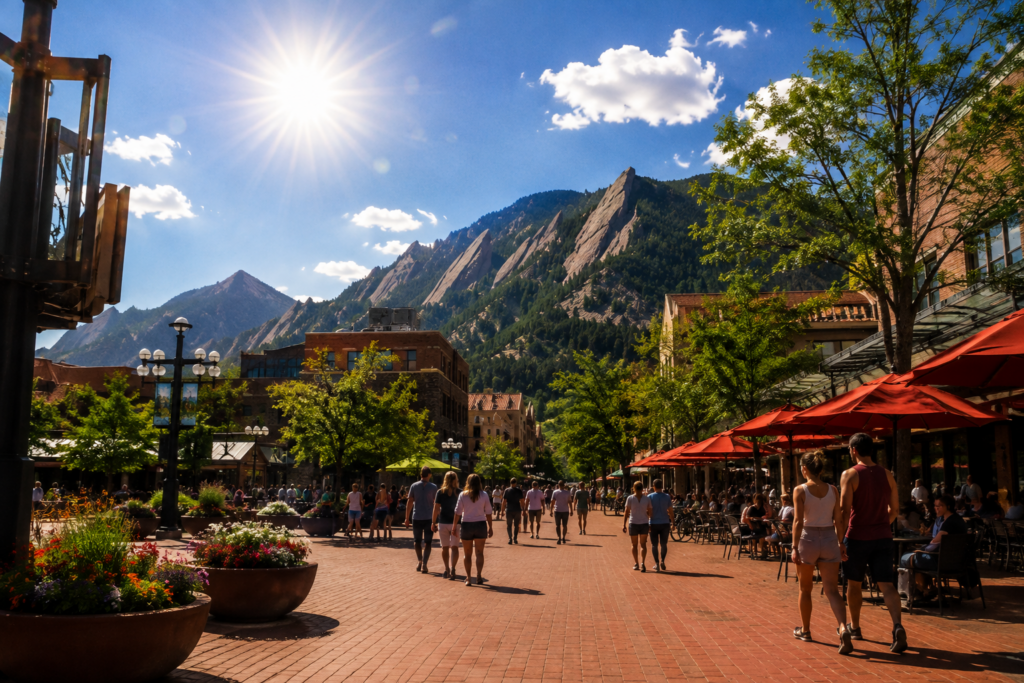
For anyone planning hikes, bike rides, trips to Boulder Reservoir, or afternoons on Pearl Street, this will be a weekend to plan carefully and avoid the hottest part of the day.
Why Boulder Gets So Hot
At first glance, Boulder doesn’t seem like a city that should flirt with 100-degree temperatures. Sitting at roughly 5,300 feet above sea level at the base of the Rocky Mountains, many people expect cooler conditions.
Instead, Boulder has several natural ingredients that can create intense summer heat.
When a large dome of high pressure settles over the western United States, sinking air compresses and warms as it descends toward the Front Range. The same atmospheric process that produces Colorado’s famous Chinook winds also boosts daytime temperatures.
The city’s semi-arid climate plays a major role as well. Dry air heats much faster than humid air, allowing temperatures to climb rapidly under nearly cloudless skies. Boulder usually cools off nicely overnight because of the low humidity, but during prolonged heat events, afternoons can become exceptionally hot.
Urban development adds another layer. Roads, parking lots, rooftops, and buildings absorb sunlight throughout the day and slowly release that heat into the evening, creating localized urban heat islands that often feel several degrees warmer than nearby parks or open space.
One of the Hottest Summers in Recent Memory
The summer of 2026 has already been remarkable across the Front Range.
Boulder has experienced multiple triple-digit days, along with numerous daily record highs and an unusually long stretch of intense heat. While exact totals vary depending on the weather station used, this has unquestionably been one of the hottest summers residents have experienced in years.
Scientists also note a long-term trend toward more days reaching 95 degrees or higher compared with historical averages. Although individual weather patterns still drive each heat wave, warmer average temperatures have increased the likelihood of prolonged hot spells across Colorado.
The Best Ways to Stay Cool in Boulder
Fortunately, Boulder offers plenty of ways to escape the heat.
Boulder Reservoir
For many locals, Boulder Reservoir is the first choice. The designated swim beach offers cool water, mountain views, sandy shoreline, and lifeguarded swimming during the summer season. Because water quality conditions can occasionally change, visitors should always check the reservoir’s current status before heading out. Hot weekends also fill quickly, so arriving early is recommended.
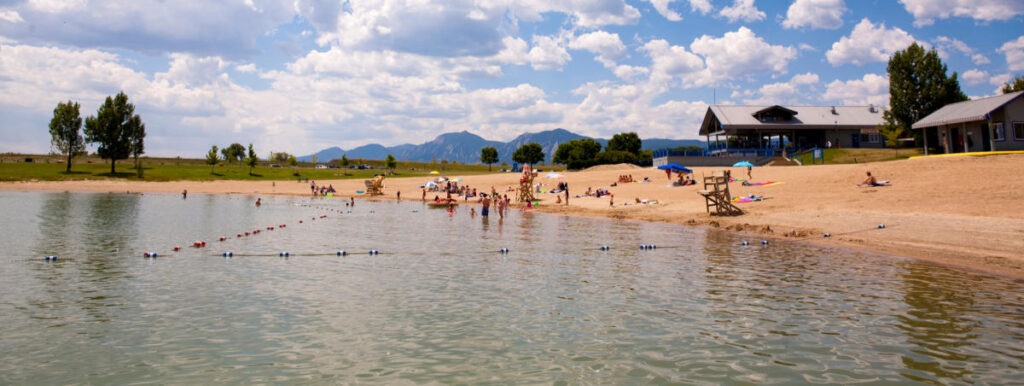
Boulder Reservoir
Boulder Creek
If you’re looking for a free option, Boulder Creek remains one of the city’s favorite summer escapes. Areas around Eben G. Fine Park provide refreshing mountain water, mature shade trees, and plenty of room for relaxing or enjoying a picnic.

Boulder Creek
Eldorado Springs Pool
Just south of Boulder, the historic Eldorado Springs Pool continues to be one of Colorado’s hidden gems. Fed by naturally cool artesian spring water beneath towering sandstone cliffs, it’s one of the most scenic places in the state to spend a hot afternoon. Summer hours generally run from 10 a.m. to 6 p.m. through Labor Day, although arriving early is wise since capacity can be reached during heat waves.

Pools, Libraries, and Recreation Centers
Scott Carpenter Pool and other city pools provide another excellent option for families. Libraries, recreation centers, shopping centers, and museums also offer welcome air-conditioned breaks during the hottest part of the afternoon.
Heat Safety Matters
The safest approach is simple: schedule outdoor activities during the early morning or evening hours whenever possible.
Drink water before you become thirsty. Wear lightweight, light-colored clothing. Take frequent breaks in the shade. Never leave children or pets inside parked vehicles, even for a few minutes.
Pet owners should remember that sidewalks and pavement can become hot enough to burn paws. Walk dogs early in the morning or after sunset, carry plenty of water, and stick to grassy or shaded areas whenever possible.
If wildfire smoke lingers, people with asthma, heart disease, or other respiratory conditions should also monitor local air quality before spending extended time outdoors.
Looking Ahead
One of Boulder’s greatest advantages is its proximity to the mountains.
A short drive into the foothills or up toward Nederland can often bring temperatures 10 to 15 degrees cooler than those on the plains, offering a welcome escape when the city heats up.
The forecast calls for another hot, mostly sunny weekend, so a little planning can go a long way. Whether you’re cooling off in Boulder Creek, enjoying the reservoir, or heading into the high country, staying hydrated and avoiding the afternoon peak heat will help you enjoy everything Boulder has to offer safely.
With another near-100-degree weekend on the way, this is a good reminder that while Boulder summers are beautiful, they’re also demanding—and respecting the heat is part of enjoying them.