Boulder Drought Watch 2026: What It Means and Easy Water Conservation Tips

Aerial Photography In Boulder, Colorado
Boulder is once again facing a hot, dry Colorado summer, but there’s encouraging news: despite ongoing drought conditions, the city’s water system remains resilient, and mandatory water restrictions are not in effect. Instead, officials are asking residents and businesses to voluntarily conserve water now to help protect supplies throughout the remainder of the summer and into the future.
Thanks to thoughtful long-term planning, diverse water sources, and strong community support, Boulder is well positioned to manage current conditions. Still, every drop counts. Here’s what the current Drought Watch means—and how everyone can help while continuing to enjoy everything that makes summer in Boulder so special.
Understanding Boulder’s Water Supply
Boulder draws its drinking water from a diverse network of high-quality sources on both sides of the Continental Divide, including the Boulder Creek watershed and portions of the upper Colorado River Basin. Combined with reservoir storage, including Boulder Reservoir, this diversified system provides flexibility during dry years and helps the city adapt to changing weather patterns.
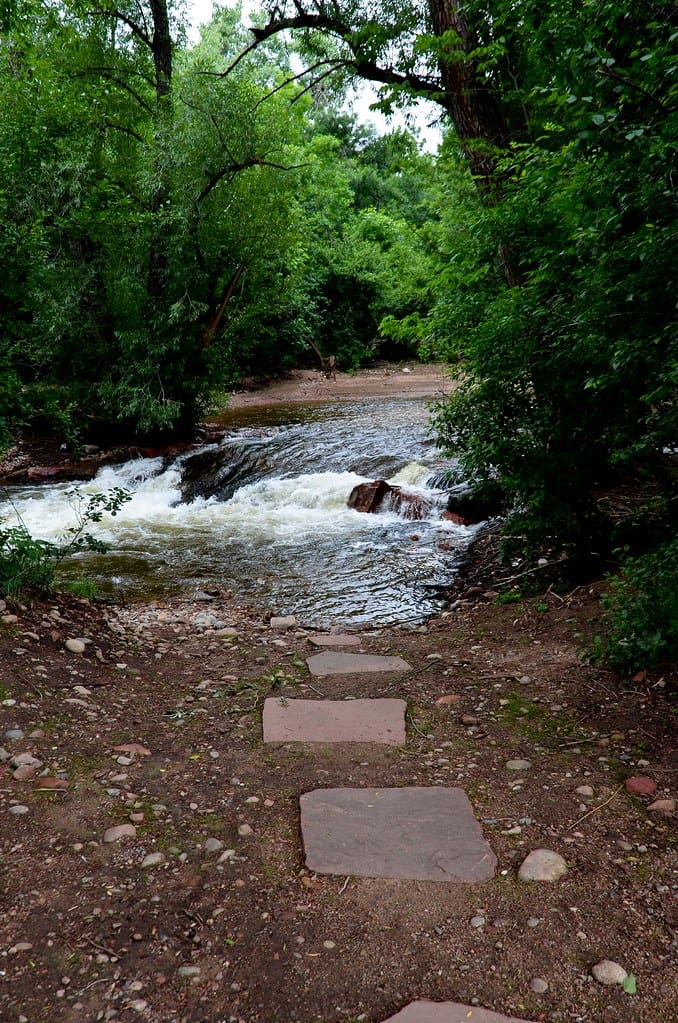
Boulder Creek Path
Although Colorado experienced below-average snowpack and a dry start to the year, water stored from previous seasons continues to provide a solid buffer. City staff regularly monitor snowpack, streamflows, reservoir levels, and weather forecasts as part of Boulder’s long-term Drought Plan.
The takeaway is reassuring: Boulder’s water system is strong, but voluntary conservation today helps ensure a reliable supply tomorrow.
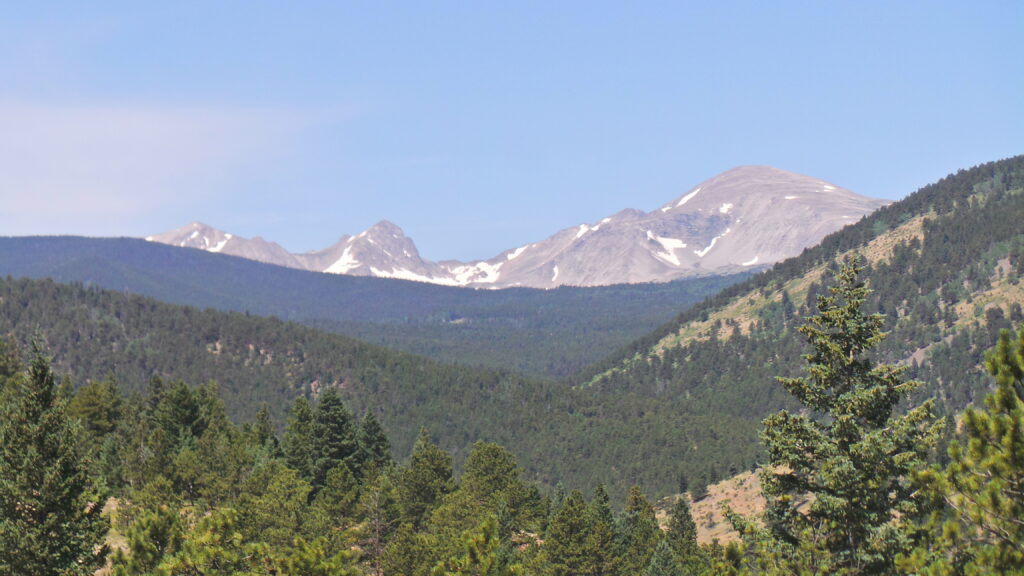
Continental divide seen from Gold Hill, Colorado
What the Current Drought Watch Means
Under the current Drought Watch, Boulder is asking residents to voluntarily reduce outdoor water use while following existing water efficiency guidelines.
Lawn Watering Schedule
- Even-numbered addresses: Sunday and Thursday
- Odd-numbered addresses: Wednesday and Saturday
- Commercial, multifamily, and metered irrigation accounts: Tuesday and Friday
To reduce evaporation, sprinklers should not operate between 10:00 a.m. and 6:00 p.m.
Larger community landscapes—including parks, schools, and athletic fields—may receive adjusted watering schedules to maintain safe recreational spaces.
Residents are also encouraged to:
- Repair leaking faucets and irrigation systems promptly.
- Run only full loads in dishwashers and washing machines.
- Install water-efficient fixtures when possible.
- Turn off the faucet while brushing teeth or shaving.
Small daily habits can save thousands of gallons of water over the course of a summer.
Practical Conservation Tips for Every Boulder Home
Suggested In-Article Image: A beautiful Boulder front yard featuring native flowers, mulch, drought-tolerant landscaping, and the Flatirons in the background.
1. Choose Water-Wise Landscaping
Native Colorado plants require significantly less water once established while providing beautiful color throughout the growing season. Adding mulch around plants helps retain moisture, keeps roots cooler, and reduces weed growth.
2. Water Smarter, Not More
Water deeply but less frequently to encourage stronger root systems. Skip irrigation after rainfall, and allow non-essential grass to go dormant during extended hot periods—it will often recover once cooler weather returns.
3. Reduce Outdoor Water Loss
Cover pools and hot tubs whenever possible to reduce evaporation, and use drip irrigation or soaker hoses to deliver water directly to plant roots.
4. Save Water Indoors
Capture cold water while waiting for it to warm up and reuse it for plants or pets. Shortening showers by just a few minutes each day can also make a meaningful difference over time.
5. Protect Boulder’s Trees
Healthy mature trees provide shade, improve air quality, reduce urban heat, and enhance neighborhoods throughout the city. During dry periods, watering established trees efficiently can be one of the best long-term investments homeowners can make.
Did You Know?
During Boulder’s Drought Watch, lawns only need to be watered twice per week, and sprinklers should operate only during the cooler morning or evening hours. Watering at the right time can dramatically reduce evaporation while keeping landscapes healthy.
Enjoy Summer While Conserving
A Drought Watch doesn’t mean putting summer plans on hold.
Boulder Reservoir, Boulder Creek, neighborhood parks, and the city’s incredible trail system continue to provide outstanding recreation opportunities. Early morning hikes, paddleboarding, picnics, and walks with your dog remain wonderful ways to enjoy the season while minimizing water use at home.
Before swimming or allowing pets into natural water, always check current conditions and any posted advisories, particularly during extended periods of hot weather.
Looking Ahead with Confidence
Colorado’s climate continues to bring warmer temperatures, earlier snowmelt, and more variable precipitation patterns. Boulder has spent decades investing in a resilient water system designed to meet these evolving challenges.
Infrastructure improvements, smart water management, and a community committed to conservation all play an important role in protecting one of Boulder’s most valuable resources.
By making a few simple changes today, residents can help reduce the need for stricter restrictions later while preserving the natural beauty, outdoor lifestyle, and exceptional quality of life that make Boulder such a remarkable place to live.
Working together, Boulder can continue to thrive through another Colorado summer—one smart drop at a time.