
CU Freshmen: How to Adjust to Boulder’s Altitude
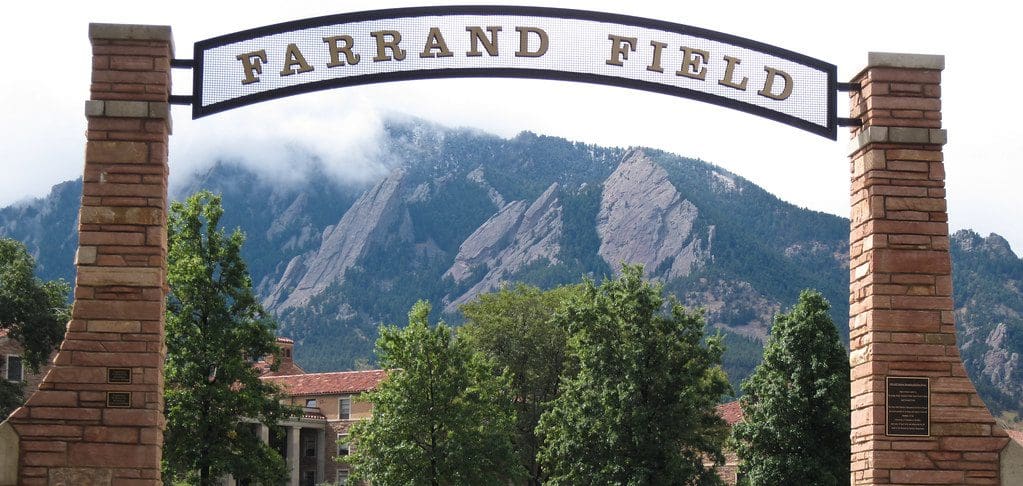
Farrand Field on the CU Boulder campus — a favorite hangout for students soaking up the sun, tossing frisbees, or just relaxing with friends between classes.
Altitude 101 for CU Freshmen: How to Adjust Without Feeling Wrecked
Welcome to Boulder, new Buffs. You have made it through move-in, the Flatirons are filling the horizon, and a new semester is about to begin. But before you race to the Recreation Center or head straight for your first mountain hike, give your body a chance to catch up with your new surroundings.
CU Boulder sits at approximately 5,300 feet above sea level, while the City of Boulder is commonly listed at 5,430 feet. Many nearby trails rise above 7,000 feet. If you arrived from a much lower elevation, the reduced oxygen pressure, dry climate and strong Colorado sun may leave you feeling different during your first few days.
According to CU Boulder’s current health guidance, newcomers may tire more quickly, develop a mild headache or notice that an ordinary walk across campus suddenly feels like exercise. Most students adjust within a few days, but the smartest first-week strategy is to slow down and let acclimatization happen.

Mount Sanitas
What Boulder’s Altitude Can Feel Like
Common early symptoms can include:
- Mild headache
- Fatigue or low energy
- Shortness of breath with activity
- Dizziness or lightheadedness
- Nausea or an upset stomach
- Reduced appetite
- Restless sleep
Symptoms related to altitude typically begin within hours of reaching a higher elevation and often appear during or after the first night. The CDC’s altitude-illness guidance notes that headache is the hallmark symptom of acute mountain sickness and may be accompanied by fatigue, dizziness, nausea or appetite loss.
Not every headache or tired spell is caused by elevation. Moving stress, poor sleep, dehydration, heat and illness can produce similar symptoms. Pay attention to how you feel instead of assuming altitude explains everything.
How to Make the Adjustment Easier
Keep Water Close
Boulder’s dry air can dehydrate you faster than expected, even when you are not sweating heavily. Drink water regularly instead of waiting until you feel thirsty, and carry a reusable bottle to class, Fall Welcome activities and outdoor events. Avoid forcing excessive amounts of water; steady hydration is the goal.
Start Slowly
Your first days on campus are not the time for an all-out workout or a difficult Flatirons climb. Choose easy walks around Norlin Quad, Farrand Field or the Boulder Creek Path. Gradually increase your activity as your energy and breathing begin to feel normal.
When you are ready to explore beyond campus, start with one of these easy Boulder hikes for CU freshmen before attempting Royal Arch, Bear Peak or another demanding route.
Pause Alcohol, Vaping and Intense Exercise
CU Boulder recommends skipping alcohol, vaping and strenuous workouts while experiencing symptoms. Alcohol can also worsen dehydration and interfere with sleep—two things your body does not need during move-in week.
Eat Normally and Rest
Move-in excitement can make it easy to skip meals or stay up late. Regular meals, adequate sleep and a lighter schedule give your body room to adapt. If you develop a mild headache, CU’s guidance says ibuprofen or acetaminophen may help when taken as directed and when safe for you. Ask a health professional if you are uncertain about either medication.
Know When to Get Help
Do not try to “tough it out” if symptoms become severe or continue getting worse. Seek immediate medical attention for:
- Confusion or difficulty staying awake
- Trouble walking normally or loss of coordination
- Difficulty breathing while resting
- Blue lips or skin
- Chest tightness
- A worsening cough, especially with frothy or bloody mucus
- A rapid heartbeat accompanied by extreme fatigue
These symptoms may indicate a serious medical problem and need prompt evaluation. If symptoms worsen at a higher trail or mountain location, stop ascending and move to a lower elevation when it is safe to do so.
CU Boulder Medical Services at Wardenburg can evaluate students who are sick, not improving or unsure whether their symptoms are normal.
Remember the Colorado Sun
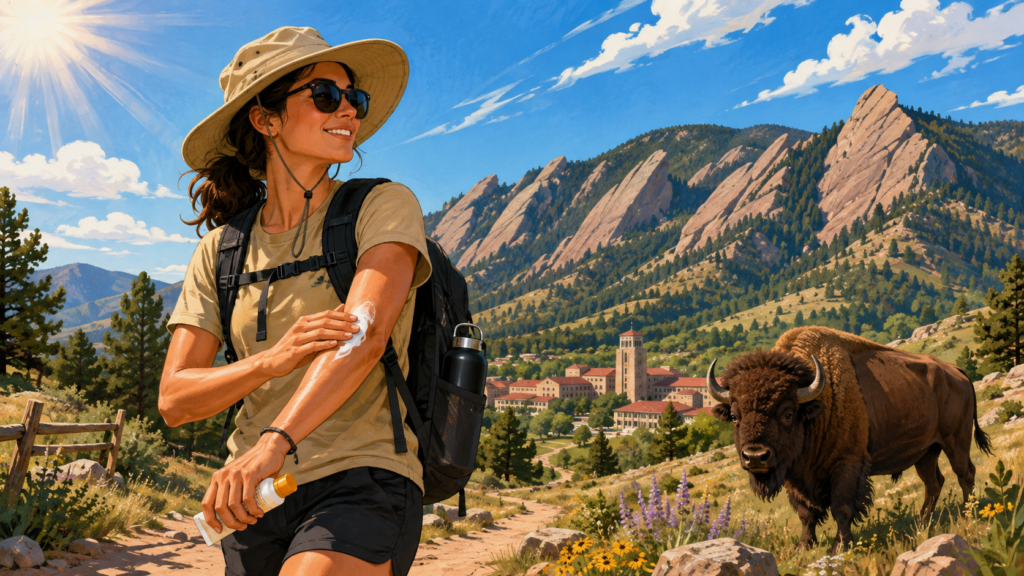
Altitude is only part of the adjustment. UV exposure is stronger at higher elevations, and sunburn can happen even when the air feels cool or clouds move overhead. CU recommends broad-spectrum sunscreen with SPF 30 or higher, UV-blocking sunglasses and a hat for longer stretches outside.
Boulder’s elevation is part of what makes living here extraordinary. Give yourself several patient days, keep water nearby and build your activity gradually. The Flatirons are not going anywhere. Once your body settles in, you can focus on meeting friends, finding favorite campus spots and enjoying what it means to become a Buff.
Welcome to the herd.