
How Boulder Families Can Make Weekend Camping Easier
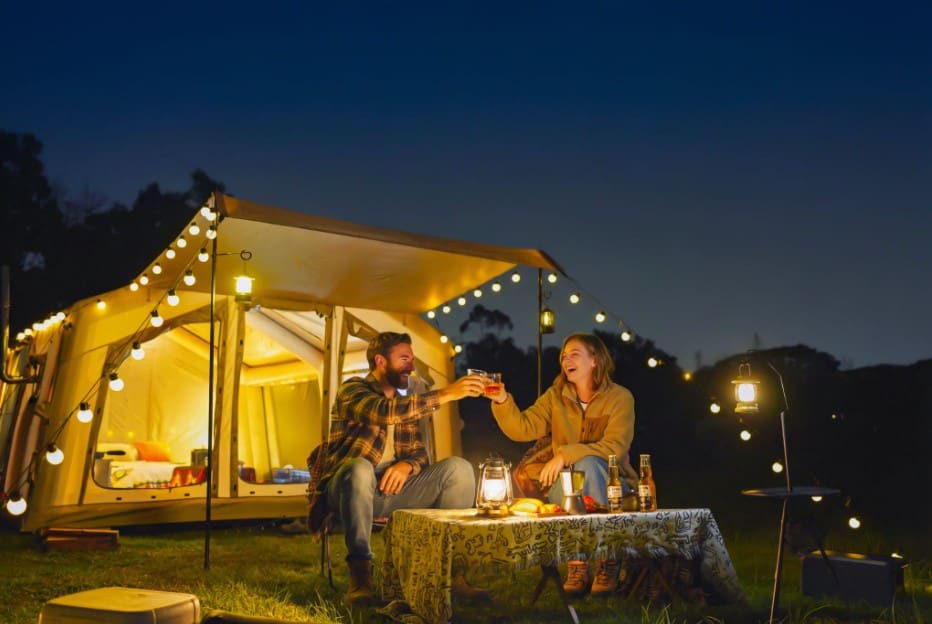
For Boulder and Front Range families, weekend camping is easy to understand. The mountains are close, and a short drive can take a family from city streets to pine forests, lakeside sites, or mountain valleys. Children get a break from screens, while adults step away from work emails.
What shapes the trip is not only how far the campsite is from home or how long the packing list looks. The key question is whether the family can quickly create a camp space that feels clear, practical, and easy to manage. Many mountain campgrounds around Boulder involve higher elevation, cooler evenings, and rapidly changing conditions, so a little planning matters.
Families still comparing destinations can first review Boulder-area camping options, then plan around campsite type, distance, weather, and gear.
Family Camping Is Not Only About How Many People Can Sleep
When families choose a tent, they often start with capacity. That matters, but “sleeps everyone” is not the same as “works well once everyone is inside.” At camp, a family also needs room to change clothes, set down backpacks, organize children’s jackets and shoes, store rain gear and daytime items, and keep the sleeping area quiet at night.
If a tent only solves the sleeping question, camp can quickly become a series of small problems. Shoes gather at the entrance, backpacks block the path, children cannot find their clothes, and adults have to move gear each time they need something.
For Boulder families, a tent works more like a temporary outdoor living center. It does not need to feel like a full home, but it should allow entry, changing, storage, and rest to happen without getting in one another’s way.
Weather Around Boulder Makes Tent Space More Important
Much of the appeal of camping near Boulder comes from the mountain setting. A family can hike, bike, or spend time near the water during the day, then return to camp for dinner and the evening view. But the same setting also means weather and temperature shifts need to be taken seriously.
That is when tent space becomes easy to notice. If the interior is too tight, damp clothing, bags, and the resting area begin to overlap. If the entrance has no clear space, children may step on other people’s belongings every time they go in or out. If gear piles up beside the sleeping area, nighttime rest becomes harder.
More interior space gives the family a buffer when the weather changes, and people or gear need to move inside for a while. Clearer space helps the campsite stay calmer.
The First Hour at Camp Shapes the Weekend
Many family camping problems begin in the first hour after arrival. The car is parked, children want to move around, and adults still need to check the site direction, unfold the tent, sort food, find water, and reach for jackets. If setup feels complicated, the campsite can become tense before the weekend has really started.
Once the tent becomes usable, children’s jackets and personal items have a place to go, while adults can move on to dinner, sleeping gear, and getting familiar with the site.
This is where inflatable tents can make sense for family weekend camping. They use air beams to reduce some traditional pole-assembly steps, but they do not replace proper site choice, stakes, guy lines, or final stability checks. In Colorado’s changing conditions, those basics still need to be done carefully.
Larger Space Fits Families Staying Put
Not every Boulder weekend calls for a large tent. If two people are packing light for one night, or if the plan is to move campsites each day, a smaller tent may be more flexible. But when a family stays at one campsite for two or three nights, with daytime activities, dinner, sleep, and next-day preparation based from the same place, space and zoning become more important.
For families staying in one spot for a few nights, the value of large inflatable tents is less about sleeping capacity and more about how the space can be used. ZONKOO Draco is a clear example of a tent built around space division. It offers 183 sq ft of interior space and includes a removable divider that can create a two-room layout when needed. That setup gives sleeping, storage, and family activity a better chance to stay separate.
When a family stays longer at one site, the tent becomes more than a place to sleep. It can also serve as a changing area, gear-organizing space, children’s rest area, and weather buffer.
Local Rules Matter More Than Extra Gear
When camping around Boulder, a good experience depends on checking local rules and current conditions before the trip. Before choosing a site, families should confirm whether tent camping is allowed, whether reservations are required, and whether fire restrictions, pet rules, food storage requirements, or vehicle limits apply.
Before heading to state parks, national forests, or other public camping areas near Boulder, families should review official camping, reservation, and safety information so they do not arrive to find that rules, fire restrictions, or parking requirements are different from what they expected.
Gear should support good judgment, not replace it. Even a strong tent needs to be placed on a suitable site, secured correctly, and used according to the weather and campground conditions.
Keep the Weekend Focused on Being Outdoors
A camping trip does not have to be packed with plans. A short trail during the day, dinner back at camp, and a quiet evening with the children settled inside the tent can be enough to make the weekend feel worthwhile.
For families, good camping preparation is not about adding more gear. It is about reducing the confusion that often happens after arrival. When the tent space is clear, small problems around entry, storage, setup, and changing weather are easier to manage.
That leaves more of the weekend for eating together, resting, talking, and spending time in the outdoor places around Boulder.