FDA Approves New Sunscreen Ingredient: What It Means for Boulder

Epic Aerial View of Boulder, Colorado – Elevation: 5,430 ft
The U.S. Food and Drug Administration has approved bemotrizinol, also known as BEMT, marking the first new sunscreen active ingredient approved for use in the United States in more than two decades.
According to the FDA’s announcement, the ingredient has been approved for adults and children six months of age and older and is expected to expand sunscreen options for American consumers. The approval follows years of use in Europe and Asia, where BEMT has become a popular ingredient in many advanced sunscreen formulations.
For many people, sunscreen has long been associated with common complaints: too greasy, too chalky, too thick, or leaving behind a noticeable white cast. Those concerns can discourage regular use, especially among active outdoor enthusiasts.
A recent report from National Geographic highlighted why dermatologists and sunscreen experts have been excited about BEMT for years and why the FDA’s decision is considered a significant milestone for sun protection in the United States.
For Boulder residents who spend their days hiking, running, cycling, climbing, and exploring the outdoors, this latest development could be particularly important.
Why This Matters in Boulder
Living in Colorado comes with plenty of sunshine, but it also means increased exposure to ultraviolet radiation. UV levels rise with altitude, making sun protection especially important for people spending extended time outdoors.
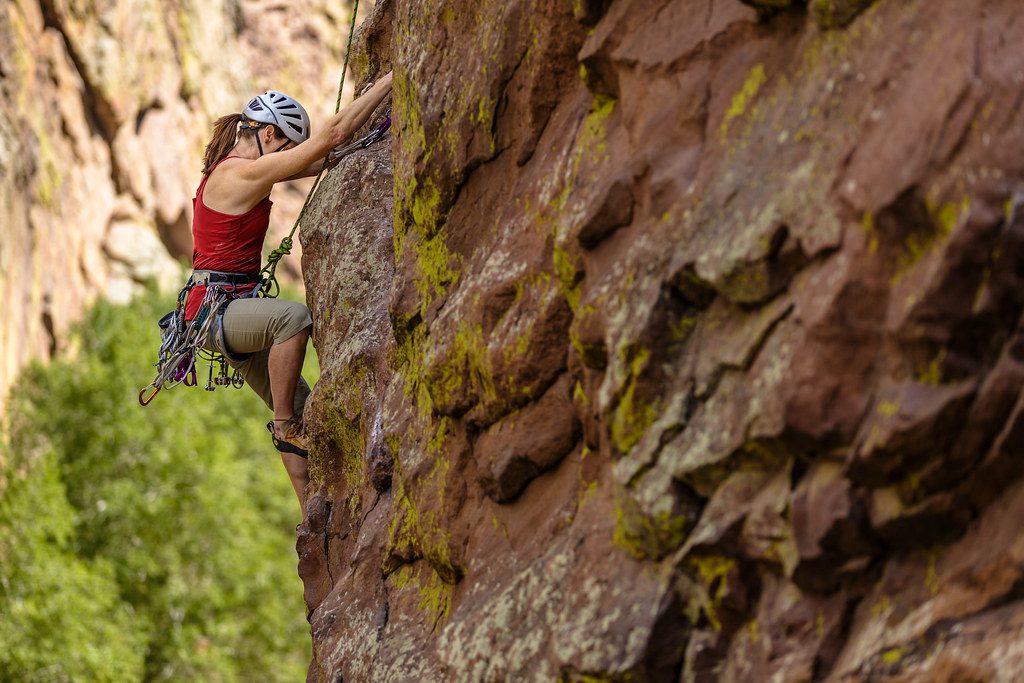
Whether you’re tackling the trails at Chautauqua Park, climbing in Eldorado Canyon, running around Boulder Reservoir, or enjoying a long day beneath the Flatirons, your skin is exposed to significant amounts of UV radiation.
That’s where bemotrizinol may make a difference.
The ingredient has been widely used in European and Asian sunscreens for more than 20 years and is known for providing strong broad-spectrum protection against both UVA and UVB rays. It is also highly photostable, meaning it remains effective longer when exposed to sunlight.
Perhaps most importantly for everyday users, products containing BEMT are often praised for feeling lighter and more comfortable on the skin.
What Makes BEMT Different?
According to FDA-reviewed data, bemotrizinol has demonstrated very low skin absorption while providing excellent protection from the sun’s harmful rays.
The ingredient has been approved at concentrations up to 6% and offers several potential benefits.
Better UVA Protection
While UVB rays are primarily responsible for sunburn, UVA rays penetrate deeper into the skin and contribute significantly to premature aging and skin cancer risk. BEMT helps provide stronger protection across both spectrums.
Greater Stability in Sunlight
Many sunscreen ingredients gradually lose effectiveness after prolonged sun exposure. BEMT is highly photostable, helping maintain protection during long outdoor activities.
More Comfortable Wear
One of the biggest reasons people skip sunscreen is simply because they dislike how it feels. Sunscreens containing BEMT are often described as lighter, smoother, and easier to wear throughout the day.
Lower Risk of Irritation
People with sensitive skin may benefit from formulations that include BEMT, particularly in Colorado’s dry climate where skin irritation can already be a challenge.
When Will Boulder Residents See It?
The first American sunscreen products containing BEMT could begin appearing later this year, with broader availability expected over time.
Many sunscreen brands sold internationally have already incorporated the ingredient into their formulas, and industry experts expect U.S. manufacturers to begin rolling out new products and reformulations as availability expands.
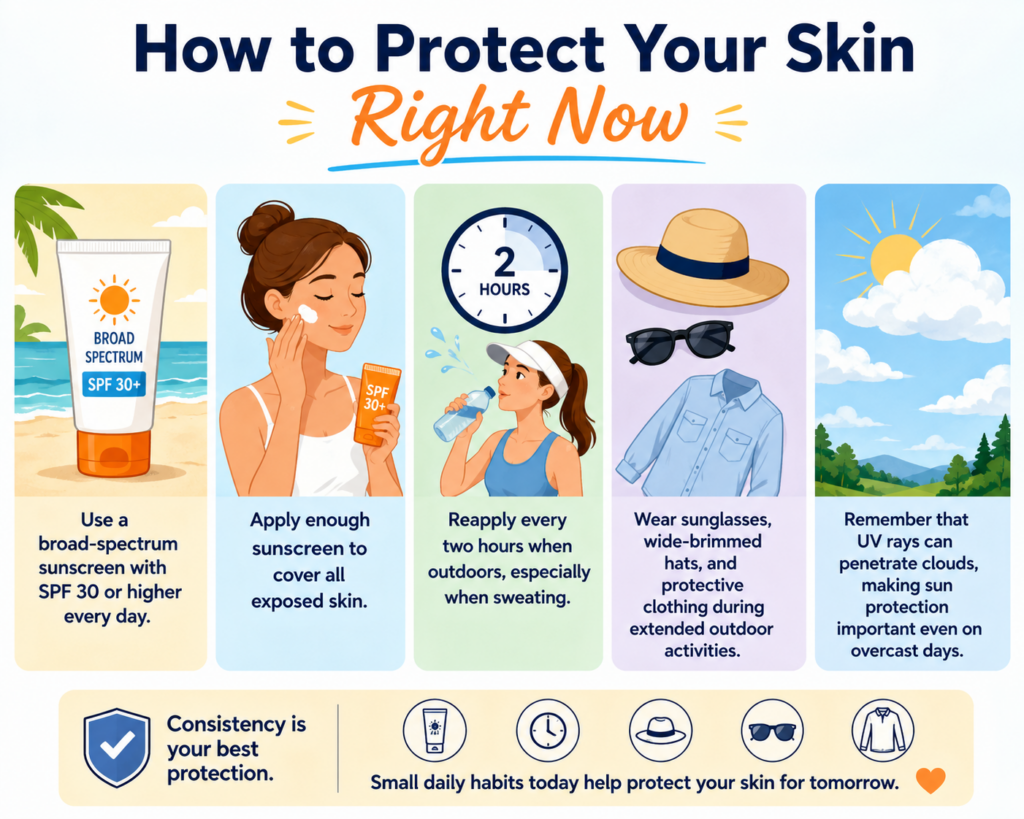
How to Protect Your Skin Right Now
While consumers wait for new products to arrive, dermatologists continue to recommend the same proven sun-safety habits:
- Use a broad-spectrum sunscreen with SPF 30 or higher every day.
- Apply enough sunscreen to cover all exposed skin.
- Reapply every two hours when outdoors, especially when sweating.
- Wear sunglasses, wide-brimmed hats, and protective clothing during extended outdoor activities.
- Remember that UV rays can penetrate clouds, making sun protection important even on overcast days.
A Bright Future for Sun Protection
Dermatologists consistently identify daily sunscreen use as one of the most effective ways to protect skin health and reduce the risk of skin cancer.
The approval of bemotrizinol represents a significant advancement for American consumers and may help bring more effective, more comfortable sunscreen options to the market.
For Boulder’s outdoor community, that could mean better protection on the trails, at the crags, on the bike paths, and everywhere else that makes Colorado such a remarkable place to live and play.
Your future self—and your skin—will thank you.